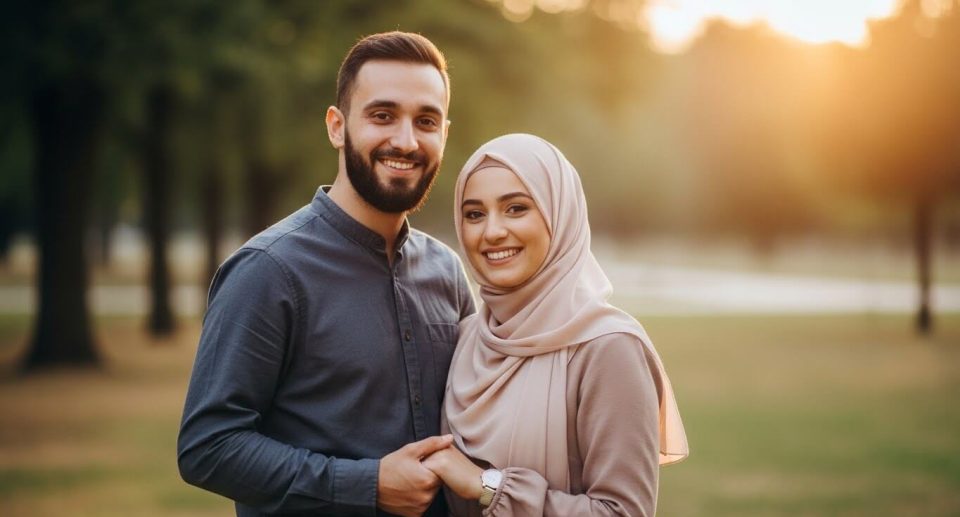
Religious Bias At Work: Combating Discrimination Against Muslims


In today’s diverse professional environment, workplaces should be inclusive spaces where everyone is respected, valued, and treated equally.
Unfortunately, religious discrimination against Muslims is still a reality in many organizations, taking subtle or overt forms. Recognizing and addressing this bias is critical for building fair and productive workplaces.
Key Takeaways
- Muslims may face discrimination in hiring, promotions, social inclusion, or workplace interactions.
- Religious bias can range from stereotyping and microaggressions to direct harassment.
- Organizations benefit from clear policies, awareness training, and practical accommodations.
- Employees play an important role in fostering an inclusive culture and reporting discriminatory behavior.
Understanding Religious Bias Against Muslims
Religious bias against Muslims can show up in multiple ways. Some candidates face rejection during hiring because of assumptions about their cultural or religious practices, like wearing a hijab or observing prayer times.
Employees may be excluded from team events, informal networks, or mentorship opportunities, limiting professional growth.
Microaggressions, stereotyping, or insensitive jokes contribute to a hostile environment. Harassment targeting religious practices or dietary needs can further increase stress and reduce engagement.
Legal Protections Against Discrimination
Many countries provide legal frameworks to protect employees from religious discrimination.
In the United States, Title VII of the Civil Rights Act prohibits employment discrimination based on religion and requires reasonable accommodation of religious practices unless it causes undue hardship.
In the United Kingdom, the Equality Act 2010 provides similar protections.
However, laws alone are not enough; organizational culture, awareness, and enforcement are essential to ensure employees feel safe and supported.
Creating an Inclusive Workplace
Organizations can foster inclusion by establishing clear anti-discrimination policies that define religious bias and outline reporting procedures.
Diversity and inclusion programs, particularly training on religious awareness and unconscious bias, can educate employees about the importance of respectful behavior.
Practical accommodations, such as flexible schedules for prayer, designated spaces for religious observances, and acceptance of religious attire, can help create a supportive environment.
Moreover, encouraging open dialogue, responding promptly to complaints, and celebrating workplace diversity reinforce a culture of inclusion.
The Role of Employees
Employees themselves play a key role in combating religious bias. Educating oneself about colleagues’ religious practices, speaking up against discriminatory behavior when safe to do so, and supporting organizational diversity initiatives help build a respectful and inclusive workplace.
Active participation in fostering understanding ensures that bias is challenged collectively rather than tolerated silently.
Conclusion
Discrimination against Muslims in the workplace not only impacts individual employees but also undermines teamwork, productivity, and organizational reputation.
To create workplaces where all employees, regardless of religion, feel valued and empowered to do their best, organizations should promote awareness, enforce clear policies, cultivate a culture of respect, and provide free therapy sessions to support employee well-being.
FAQs
Yes, workplaces should allow hijabs, kufis, or other religious clothing unless it causes safety issues.
Many workplaces accommodate prayer if you speak to HR; flexible breaks often solve the issue.
Document incidents, speak to HR, and seek support from trusted colleagues or mentors.
Respect practices, avoid jokes or assumptions, and include everyone in team activities.
Inclusive workplaces respect beliefs, reduce stress, and help Muslim employees thrive.