Dating Culture vs Islamic Boundaries: 6 Rules for Single Muslims

Modern dating culture can feel overwhelming for single Muslims. Between social media, casual interactions, and peer pressure, it’s easy to get confused about what’s acceptable in Islam.
The key is clarity: any interaction with a non-mahram should have a clear purpose, marriage, not casual dating or short-term affairs.
Following Islamic boundaries protects your heart, your faith, and your emotional wellbeing. Here are 6 rules every single Muslim should follow.
1. Only Seek Relationships With Marriage in Mind
In Islam, interactions between non-mahrams are only permissible when the intention is marriage. Casual dating, flirting, or seeking companionship without commitment is not allowed.
Before reaching out to someone, ask yourself: Is my intention serious, and am I ready to take this relationship toward marriage? Any other purpose risks falling into haram territory, emotional harm, and spiritual consequences.
2. Avoid Unnecessary Contact With Non-Mahram Individuals
Islam discourages private or casual contact with non-mahrams. This includes texting, calling, or meeting alone without a clear, necessary reason.
When contact is required, it should be formal, purposeful, and transparent, ideally with parental knowledge or supervision. Avoiding unnecessary contact protects your heart and ensures your interactions remain halal.
3. Maintain Physical Boundaries and Lower Your Gaze
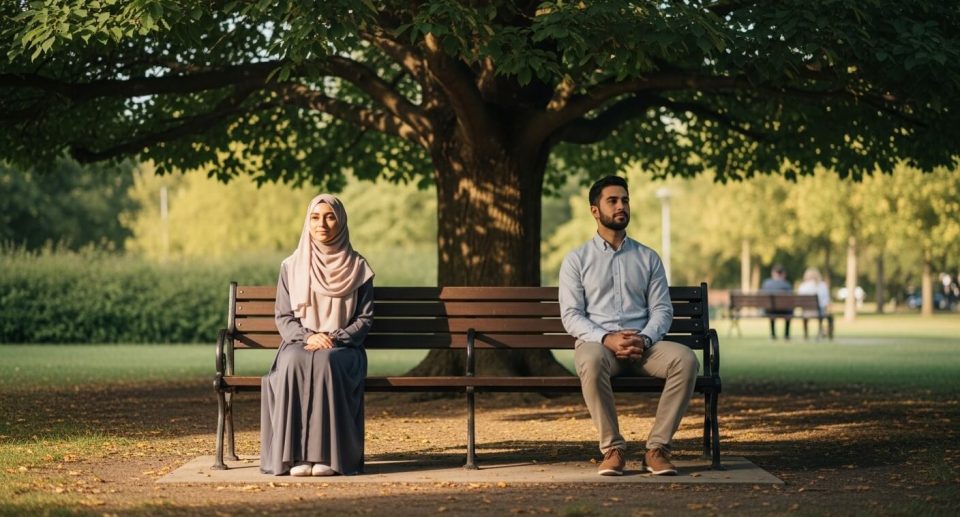
Physical contact with non-mahrams is strictly prohibited in Islam. Avoid handshakes, hugging, or any other form of touch. Even small gestures can create emotional attachment or temptation. Similarly, practice lowering your gaze in conversation to maintain modesty and self-control.
“Tell the believing men to lower their gaze and guard their private parts, that is purer for them. Indeed, Allah is Acquainted with what they do.” — Surah An-Nur 24:30
This guidance not only protects your faith but also your emotional wellbeing, helping you interact with the opposite gender in a safe and halal manner.
4. Keep Communication Focused and Respectful
If you are communicating with someone for marriage purposes, keep your conversations goal-oriented. Discuss values, life goals, character, and compatibility rather than personal or intimate topics. Avoid playful teasing, excessive compliments, or emotional dependency, which can lead to attachment without commitment.
“When a man proposes marriage to a woman, if Allah wills goodness for him, He will guide her heart to him.” — Sunan Ibn Majah 1846
This reminds us that placing intention in marriage, rather than casual desire, is in line with Allah’s guidance.
5. Seek Faith-Sensitive Marriage Counseling
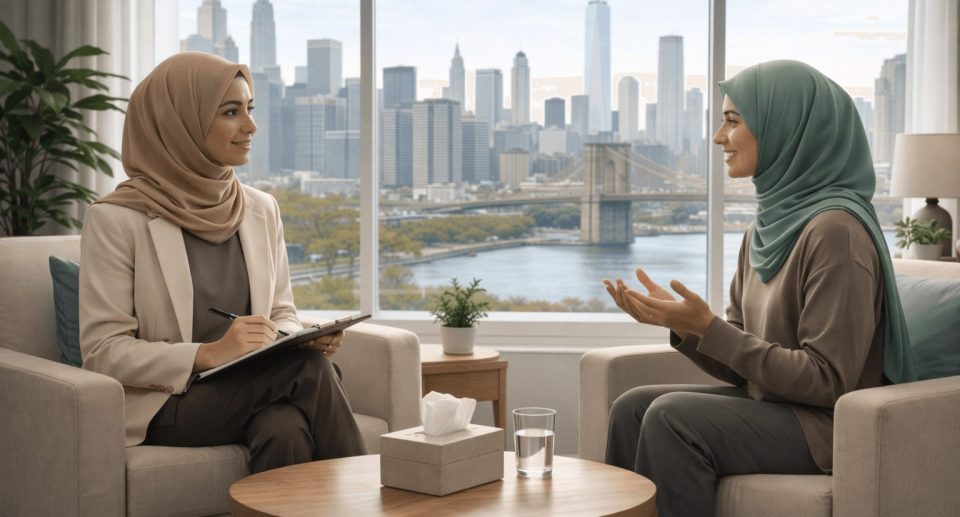
Navigating relationships while staying true to Islamic boundaries can be challenging. Shifa Therapy offers faith-sensitive marriage counseling for Muslims, helping you understand your intentions, evaluate compatibility, and maintain healthy boundaries.
Guidance from trained counselors ensures that your interactions remain halal, purposeful, and aligned with both your faith and emotional wellbeing.
6. Manage Emotions With Awareness
Attraction and desire are natural, but acting impulsively can be harmful. If you feel emotionally drawn to someone, remind yourself that your interactions should remain within the boundaries of halal and focused on marriage.
Engage in prayer (dua), self-reflection, and patience (sabr) to manage your emotions without compromising Islamic values.
Final Thoughts
Single Muslims today face unprecedented challenges from modern dating culture.
Focusing on relationships with the intention of marriage, avoiding unnecessary contact with non-mahrams, and maintaining physical boundaries and a lowered gaze can help you stay on the right path.
Utilizing faith-sensitive counseling through Shifa Therapy provides additional guidance, ensuring your choices align with both your faith and emotional wellbeing.