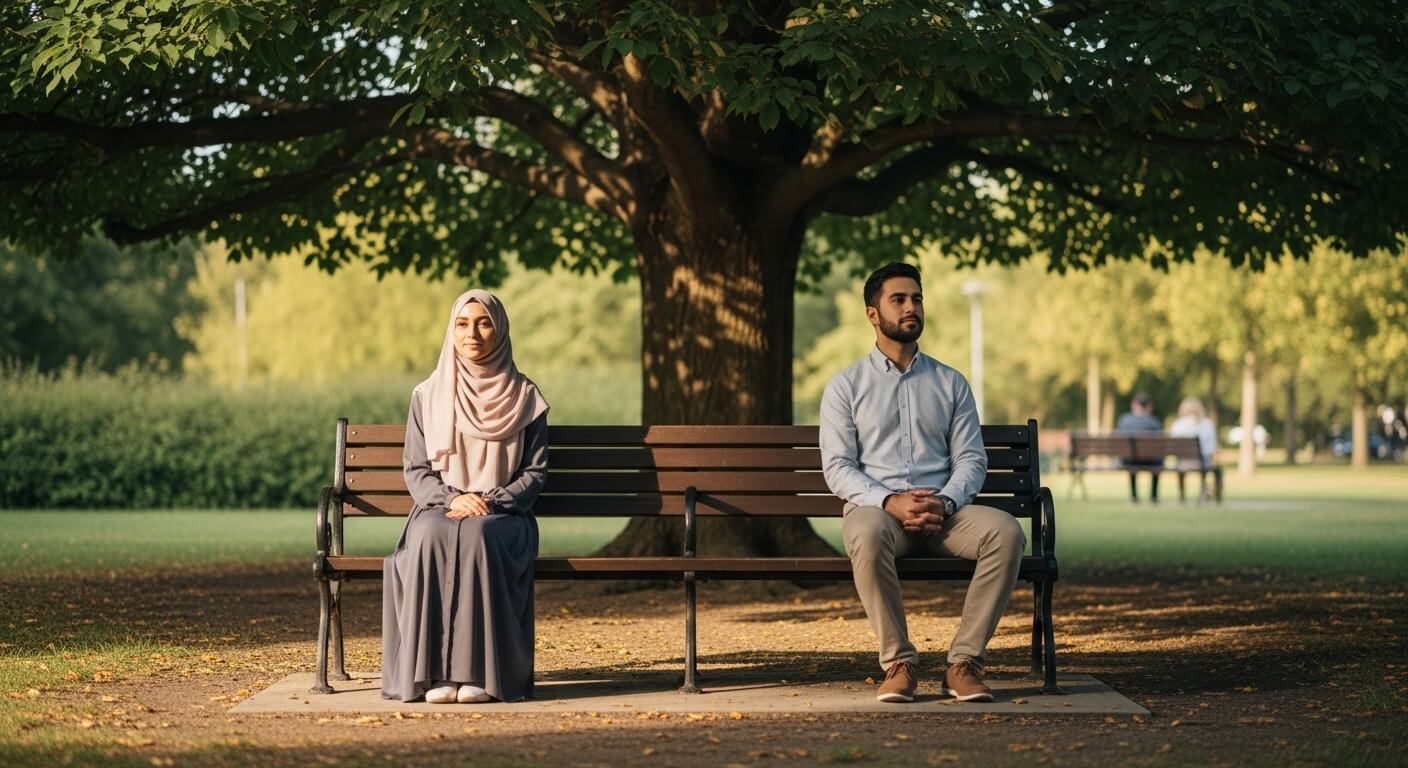
Is Love Marriage Allowed in Islam?

Marriage is one of the most important milestones in a Muslim’s life. It provides emotional, spiritual, and physical companionship while forming the foundation for a family.
Traditionally, arranged marriages have been more common in Muslim communities, but love marriages, where two individuals choose each other based on preference and affection, are becoming more visible.
This article explores whether love marriage is allowed in Islam, offering guidance, examples, and insights for readers seeking clarity.
Key Takeaways
- Love marriage is permissible in Islam if Islamic principles are followed.
- Consent of both partners is essential for a valid marriage.
- Family involvement and blessings are highly recommended.
- Emotional affection should be expressed within Islamically acceptable boundaries.
- Compatibility, faith, and communication are key for a successful marriage.
Understanding Marriage in Islam
In Islam, marriage (Nikah) is a sacred contract intended to create a loving and supportive partnership. It is a relationship built on trust, respect, and shared values. The Quran encourages Muslims to choose spouses based on piety and compatibility, ensuring a harmonious and spiritually fulfilling life together.
Consent from both parties is key. A marriage cannot be valid unless both the bride and groom willingly agree. This underscores that Islam recognizes personal choice and free will in selecting a life partner.
Example: A man and woman may meet through family introductions, education, or work. If both mutually agree to marry and follow Islamic guidelines, the Nikah is valid, even if it is based on love.
Love Marriage and Islam
Islam does not forbid marrying someone you love. Love marriages are allowed as long as they follow Islamic principles and boundaries. The key points to consider include:
- Maintaining Islamic decorum: Both partners should observe modesty and avoid impermissible interactions before marriage.
- Family involvement: While not strictly required, seeking parental blessings is strongly encouraged to ensure harmony and guidance.
- Consent and mutual respect: Both partners should willingly agree to the marriage, understanding each other’s values and expectations.
- Compatibility: Shared faith, goals, and values form the foundation for a successful and enduring relationship.
Example: Two individuals who meet at university, develop mutual respect, and seek parental guidance before marriage are practicing a love marriage that aligns with Islamic teachings.
“And among His signs is that He created for you mates from among yourselves that you may find tranquility in them, and He placed between you affection and mercy.” – Quran 30:21
This verse highlights that love, affection, and mercy between spouses are encouraged and celebrated in Islam.
Importance of Compatibility and Communication
Even in love marriages, Islam emphasizes the importance of compatibility and open communication. A shared commitment to faith and values strengthens marital harmony.
Couples should discuss important matters such as finances, religious practices, family responsibilities, and life goals before marriage. This ensures clarity and reduces the potential for conflict in the future.
Example: Couples who discuss how they will handle prayer, fasting, or family traditions before marriage often experience stronger, healthier relationships after Nikah.
Role of Muslim Marriage Counseling
Marriage counseling can play an important role in preparing couples for a successful love marriage. Muslim marriage counseling focuses on faith-based guidance, helping couples navigate expectations, communication challenges, and family dynamics.
Professional counseling can be especially useful for love marriages, where partners may face external pressures, misunderstandings, or differing cultural expectations. Platforms like Shifa Therapy offer counseling services that respect Islamic values while providing practical support to couples.
Example: A couple planning a love marriage can consult a Muslim marriage counselor to discuss how to maintain boundaries before Nikah and how to align their life goals after marriage. This can prevent potential conflicts and strengthen the marital bond.
Common Misconceptions About Love Marriages in Islam
Misconception 1: Love marriages are sinful.
Reality: Islam only considers actions sinful if they violate Islamic rules, such as engaging in forbidden pre-marital intimacy. Love itself is not sinful when you respect boundaries and do not transgress.
Misconception 2: Parental approval is optional.
Reality: While the consent of the partners is sufficient, involving family brings blessings, guidance, and support for a harmonious life.
Misconception 3: Love marriages lack spiritual validity.
Reality: A marriage based on love and guided by Islamic principles is fully valid in the eyes of Islam.
Conclusion
Love marriages are allowed in Islam when conducted within the framework of Islamic teachings. Emotional affection is natural, but it must be expressed in a halal manner, with respect for boundaries, family involvement, and without any pre-marital intimacy, which is considered haram in Islam.
Mutual consent, compatibility, and shared faith are essential for a successful and blessed marriage. Faith-based guidance and professional counseling, such as the services offered by Shifa Therapy, can provide valuable support for couples navigating the challenges of love marriage.
When these principles are followed, love marriages can be spiritually and socially fulfilling, creating a strong foundation for lifelong companionship.
FAQs
While Islam allows marriage with mutual consent, involving family is highly recommended for blessings, guidance, and support.
No. Islam prohibits pre-marital relationships that involve physical or emotional intimacy outside permissible boundaries.
Maintain modesty, seek family involvement, ensure mutual consent, and verify compatibility in faith and life goals.
Communicate respectfully, explain your choice, and seek guidance from a trusted Islamic scholar or counselor to mediate.
Yes. Islam encourages love, compassion, and mercy between spouses, which often grows stronger after marriage.