Key Takeaways
- Honoring parents in Islam does not mean accepting harmful behavior.
- Respect means speaking kindly, not staying silent through abuse or sacrificing your mental health.
- Boundaries are not un-Islamic and are sometimes necessary to preserve the relationship.
- Feelings of anger toward parents are not sins. What matters is how you act on them.
- Reducing contact does not automatically mean cutting ties of kinship.
- Chronic family conflict is a leading cause of anxiety and depression, and is treatable.
- Seeking therapy is consistent with tawakkul.
If you have ever felt hurt by your parents but also felt guilty for feeling that way, you are not alone. Many Muslims carry this quiet pain, caught between what they feel and what they think they are supposed to feel. You love your parents. You want to honour them. And yet something about how they treat you does not feel right.
This article does not tell you to stop respecting your parents. It does something more important: it helps you understand what respect actually means in Islam, what the religion genuinely asks of you, and how to protect your mental health while remaining true to your faith.
What Does Islam Say About Difficult or Unfair Parents?
The Quran is clear that honoring parents is one of the most important duties in Islam. Allah says in Surah Al Isra (17:23) that we should not even say 'uff' to our parents, a word of impatience or displeasure. This is a profound instruction and one that Muslims take seriously.
But the full picture is more nuanced than a single verse. Islamic scholars across centuries have recognized that obedience to parents is not absolute. Imam Al Nawawi and other classical scholars noted that parental authority does not extend to matters that violate Islamic principles or cause genuine harm. The Prophet Muhammad (PBUH) said: 'There is no obedience to creation if it involves disobedience to the Creator.'
This means that while you are expected to treat your parents with kindness, softness, and patience, you are not required to accept behavior that causes you harm, erases your rights, or asks you to act against Allah's guidance. Honoring your parents and acknowledging their unfairness are not mutually exclusive. Islam makes room for both.
The Difference Between Respect and Accepting Harm
One of the most damaging misconceptions in Muslim communities is the belief that respecting parents means accepting everything they do without question. This is not what Islam teaches.
Respect means speaking kindly. It means not humiliating them or cutting off the relationship. It means making dua for them and caring for them in their old age.
Respect does not mean:
- Staying silent when you are being emotionally or verbally abused
- Accepting decisions that violate your own Islamic rights, such as the right to choose your spouse
- Pretending that harmful behavior is acceptable in order to keep the peace
- Sacrificing your mental health to meet unrealistic or unfair expectations
Many Muslims have been taught that to speak about a parent's unfair behavior is itself disrespectful. But naming a harm is not the same as dishonor. Seeking help to heal from that harm is not betrayal. It is wisdom.
Setting Boundaries With Parents Without Dishonoring Them
The word 'boundary' can feel uncomfortable in Muslim families, where interdependence is deeply valued. But boundaries are not walls. They are the conditions that allow a relationship to remain healthy and sustainable for both people.
Here are some ways to think about boundaries in an Islamic framework:
- Boundaries can be expressed with adab (good manners). You do not need to be confrontational to communicate what you need. Calm, respectful, and clear language honors both you and your parents.
- Dua is a boundary tool. Making dua for your parents and for your relationship, rather than reacting from a place of pain, keeps your intention pure while still allowing you to act.
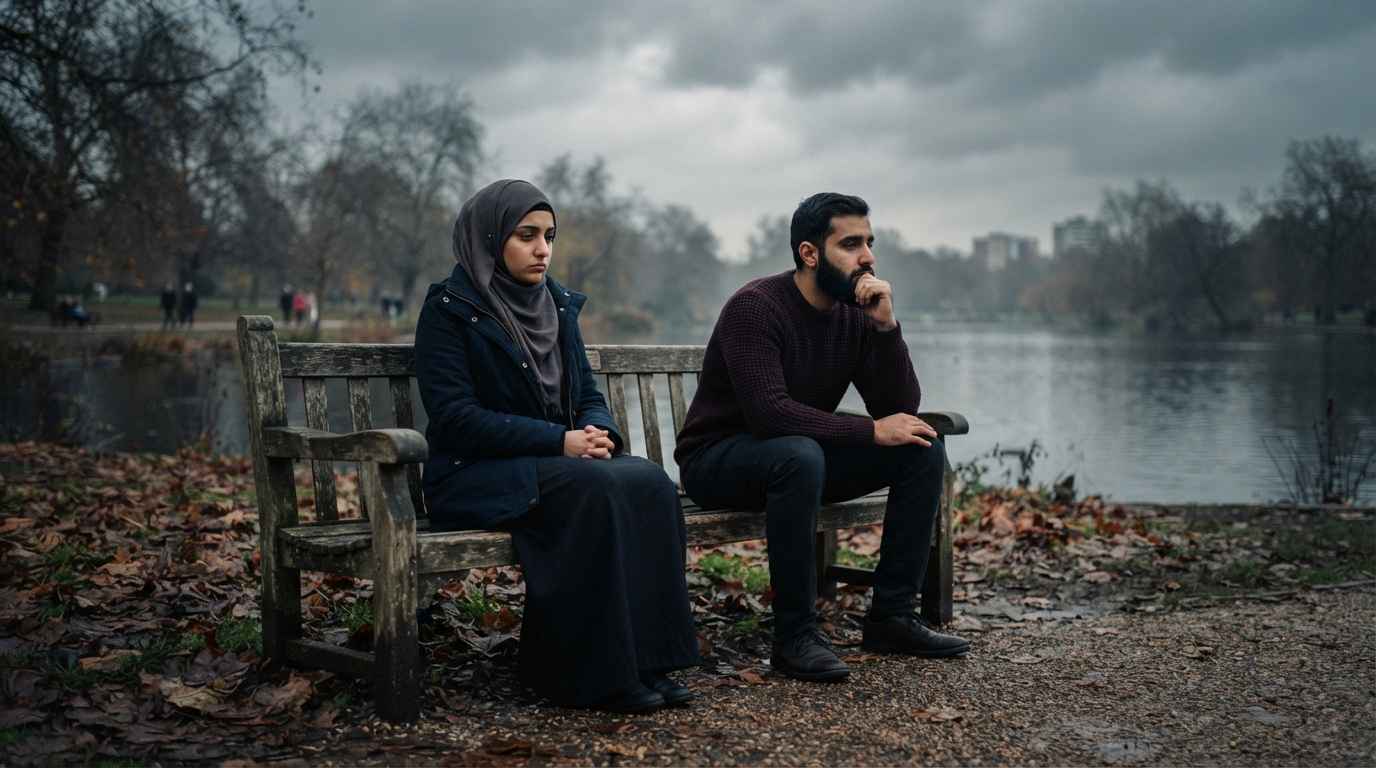
- Physical distance is sometimes an act of preservation. Moving out, reducing contact during difficult periods, or limiting certain conversations is not abandonment. It is sometimes the only way to keep a relationship from breaking down entirely.
- You can honor your parents without obeying every instruction. Adult children have their own God given rights. Fulfilling your duty to your parents does not require erasing your own identity, choices, or wellbeing.
Working through how to apply these principles in your specific situation is something a Muslim therapist can support you with. Every family is different, and there is no single script that works for everyone.
When Family Conflict Affects Your Mental Health
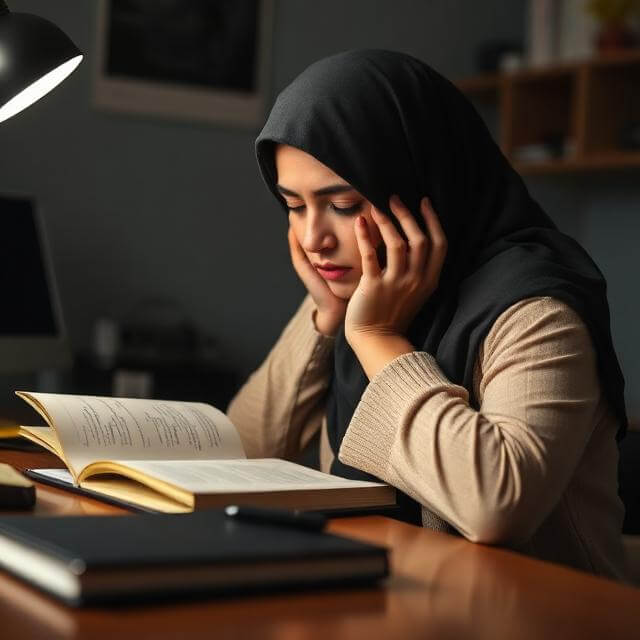
Living in or growing up in an environment with unfair or controlling parents can have lasting effects on your mental and emotional health. Research consistently shows that family conflict, especially when it is chronic and unresolved, is one of the strongest predictors of anxiety, depression, and difficulties with self worth.
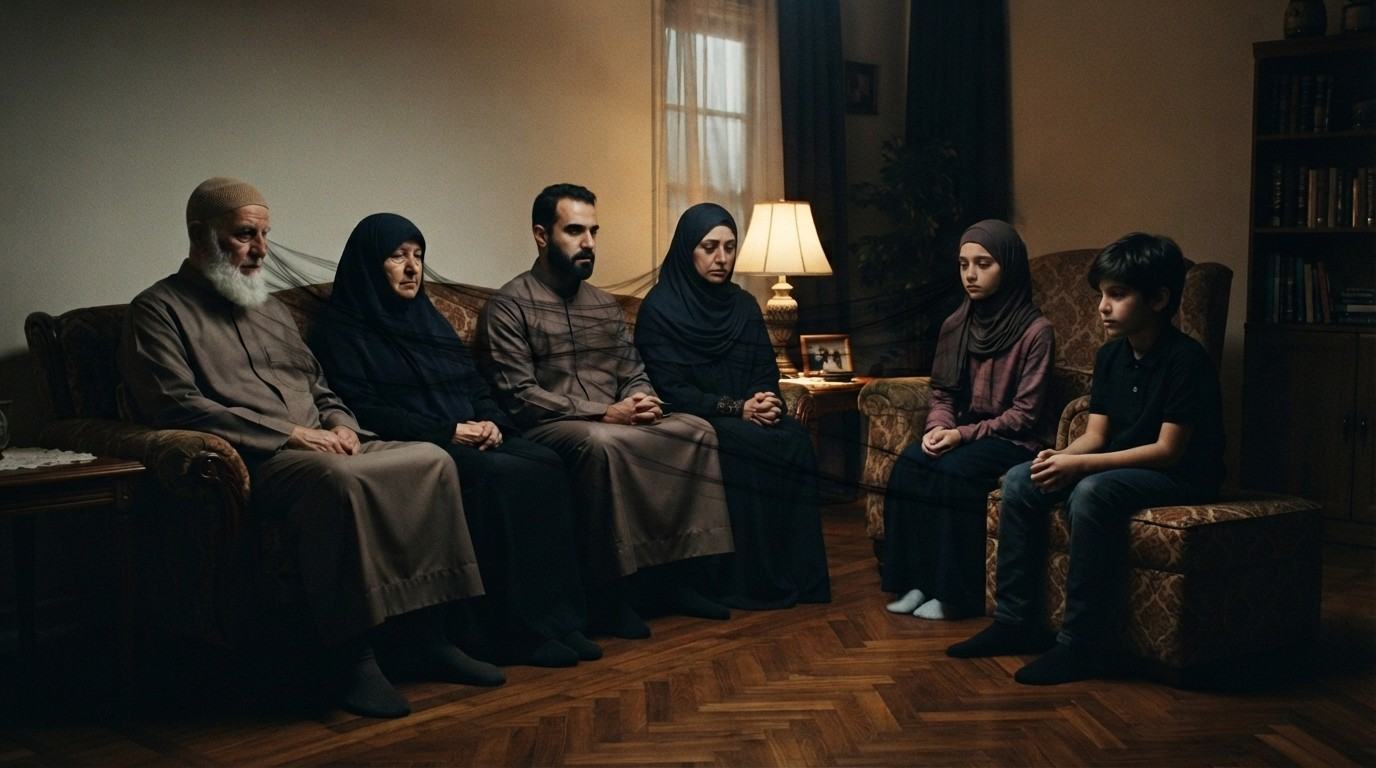
For Muslim adults, these effects can be compounded by the pressure to appear as though everything is fine, the fear of being judged by the community, and the guilt that comes from feeling resentment toward people you are supposed to love.
You might recognize some of these signs in yourself:
- You feel anxious or on edge before family interactions
- You find it difficult to trust your own feelings or perceptions
- You struggle with guilt even when you have done nothing wrong
- You feel trapped between what you want and what your family expects
- You have experienced emotional withdrawal, people pleasing, or difficulty saying no in other relationships
These responses are not signs of weakness. They are normal reactions to difficult and often prolonged circumstances. And they are very treatable with the right support.
How Muslim Therapy Helps With Family Relationships
Therapy that is grounded in both clinical expertise and Islamic values offers something that general counselling often cannot: a space where your faith and your feelings are both taken seriously.
At Shifa Therapy, our licensed Muslim therapists are trained in evidence based approaches including Cognitive Behavioral Therapy (CBT), Emotionally Focused Therapy (EFT), and trauma informed care. They also understand the religious, cultural, and family dynamics that shape the Muslim experience in ways that a non Muslim therapist may not.
In sessions focused on family relationships, a Muslim therapist might help you:
- Identify and process the emotions tied to your experience without judgment
- Understand how your childhood and family environment have shaped your current patterns
- Develop communication tools rooted in Islamic adab that allow you to advocate for yourself
- Work through religious guilt in a way that is theologically informed and emotionally honest
- Build a clearer sense of your own identity, values, and boundaries
You do not need to choose between your faith and your mental health. A Muslim therapist helps you hold both.
FAQs: Parents, Boundaries, and Muslim Mental Health
Is it haram to feel angry at my parents?
No. Feelings are not actions and are not sins. Islam acknowledges the full range of human emotion. What matters is how you act on those feelings. Feeling anger, grief, or resentment does not make you a bad Muslim. Seeking help to process those feelings is a sign of maturity and self awareness.
Am I breaking ties of kinship (qata al rahim) if I reduce contact with a harmful parent?
Scholars differ on this question, and the answer depends heavily on your specific circumstances. Generally, maintaining minimal respectful contact, even without regular in person visits, does not constitute qata al rahim. Speaking with a knowledgeable imam or a Muslim therapist who understands Islamic jurisprudence can help you work through this in a way that aligns with your values.
Can therapy help if my parents are not willing to change?
Yes. Therapy helps you, regardless of whether your parents participate. You can build healthier patterns, develop stronger emotional regulation, and create a life that reflects your own values even if your family dynamics remain difficult.
How do I find a Muslim therapist who understands family dynamics?
Shifa Therapy matches you with licensed Muslim therapists based on your specific needs. Sessions are fully online, completely confidential, and available from $64 per session. Your family will not be notified. Visit shifatherapy.com to get matched within 24 to 48 hours.
Is seeking therapy compatible with tawakkul?
Absolutely. Tawakkul means placing your trust in Allah after taking the means available to you. Seeking therapy is one of those means. The Prophet (PBUH) said to tie your camel and then put your trust in Allah. Caring for your mental health is part of being a responsible steward of the life Allah gave you.
You are not less of a Muslim for struggling with your parents. You are not less of a child for needing help. What you are is a human being navigating one of the most emotionally complex relationships that exists. And you deserve support for that.