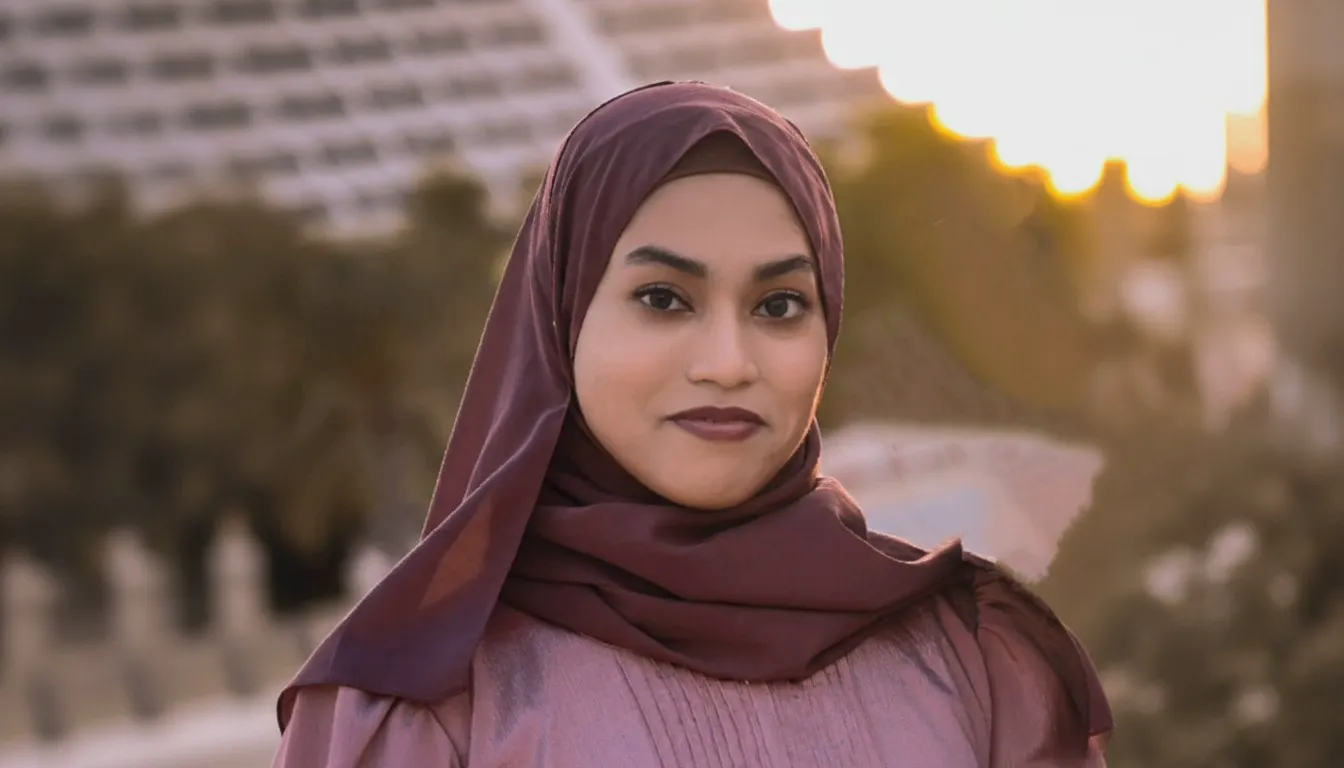
Living in a bustling, diverse city like New York offers countless opportunities, but it also presents unique challenges, especially for Muslim residents seeking mental health support. Cultural expectations, faith considerations, and the fast-paced city lifestyle can all affect access to therapy.
1. Finding Culturally Competent Therapists
One of the biggest challenges is locating therapists who understand both Islamic values and the realities of life in New York City.
Many Muslim clients worry that therapists may not respect their religious beliefs or integrate faith-sensitive approaches into treatment.
Accessing culturally competent therapy is of utmost importance for building trust and feeling safe throughout the therapeutic process.
2. Stigma Around Mental Health in Muslim Communities
Mental health stigma can be strong in some Muslim communities. Seeking therapy is sometimes viewed as a sign of weakness or failure, which discourages individuals from reaching out.
Residents juggling traditional expectations and the pressures of urban life may postpone care due to these social barriers.
3. Navigating Diverse Neighborhoods and Access Issues
New York’s neighborhoods vary greatly in demographics and available resources. Certain areas may have few Muslim-friendly mental health providers, making access difficult.
Long commutes, busy work schedules, and limited evening or weekend appointments create additional hurdles for those seeking care.
4. Language and Communication Barriers
First-generation immigrants or non-native English speakers may find it challenging to discuss mental health concerns effectively.
Finding therapists who speak Arabic, Urdu, Bengali, or other languages common in Muslim communities is often necessary to feel understood and supported.
5. Balancing Faith and Therapy Practices
Many Muslim New Yorkers prefer therapy that respects their religious beliefs, such as incorporating spiritual practices, understanding religious holidays, or being mindful of dietary restrictions.
Without therapists aware of these considerations, clients may feel disconnected from the therapeutic process.
6. Insurance and Cost Considerations
Therapy in New York can be expensive, and not all providers accept every insurance plan. Muslim clients seeking culturally sensitive care may face limited affordable options, making cost a key challenge in addition to accessibility.
Finding Support in New York
Muslim New Yorkers who want culturally sensitive therapy can explore trusted Muslim therapists in New York on Shifa Therapy.
Connecting with professionals who understand the unique needs of Muslim clients ensures that therapy aligns with both faith and lifestyle, helping individuals navigate the challenges of city life more effectively.