Key Takeaways
- Forgiveness in Islam is a spiritual act of releasing resentment, not a denial that harm occurred.
- The Quran repeatedly connects forgiveness with mercy, healing, and drawing closer to Allah.
- Holding onto resentment carries a real psychological cost, including elevated stress, anxiety, and sleep disturbance.
- Forgiveness does not require reconciliation with the person who hurt you.
- When forgiveness feels impossible, that is often a sign that deeper emotional processing is needed. Muslim therapy can help.
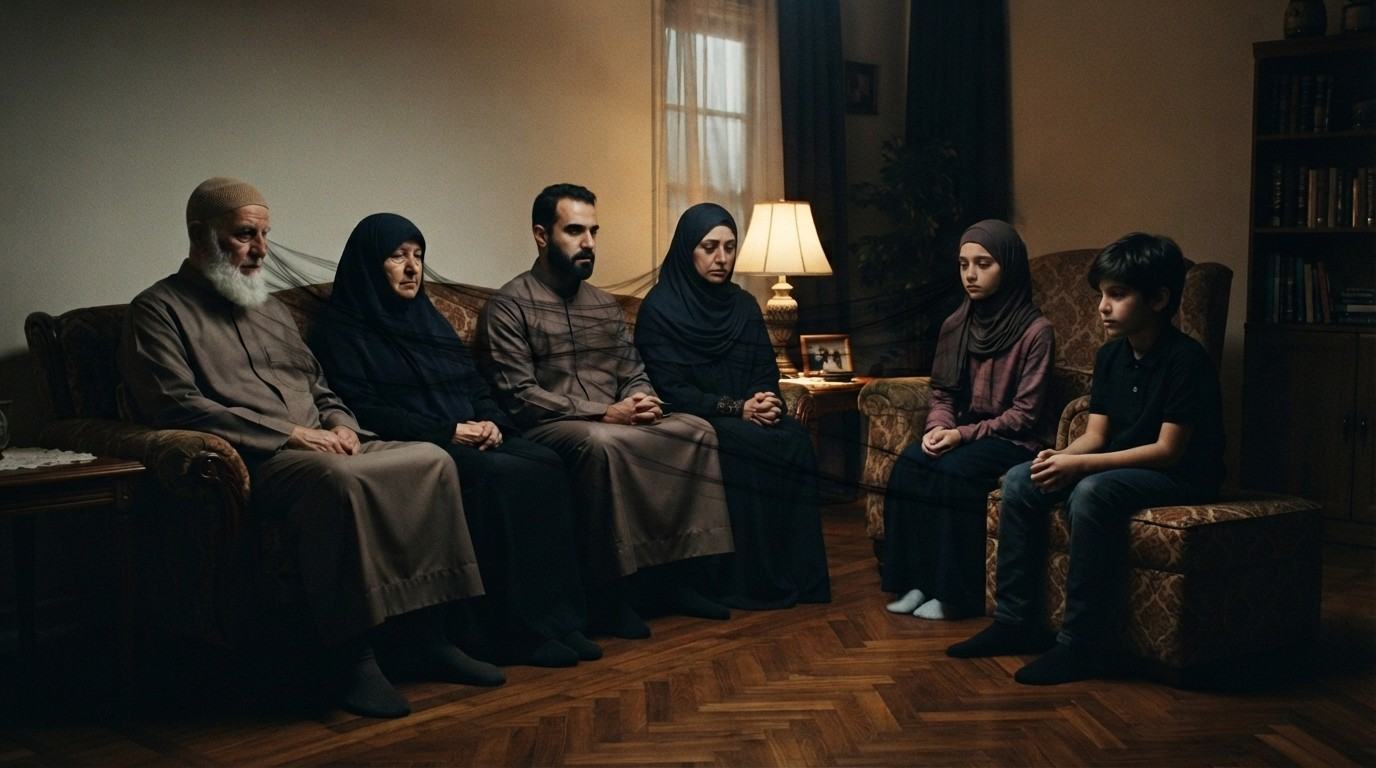
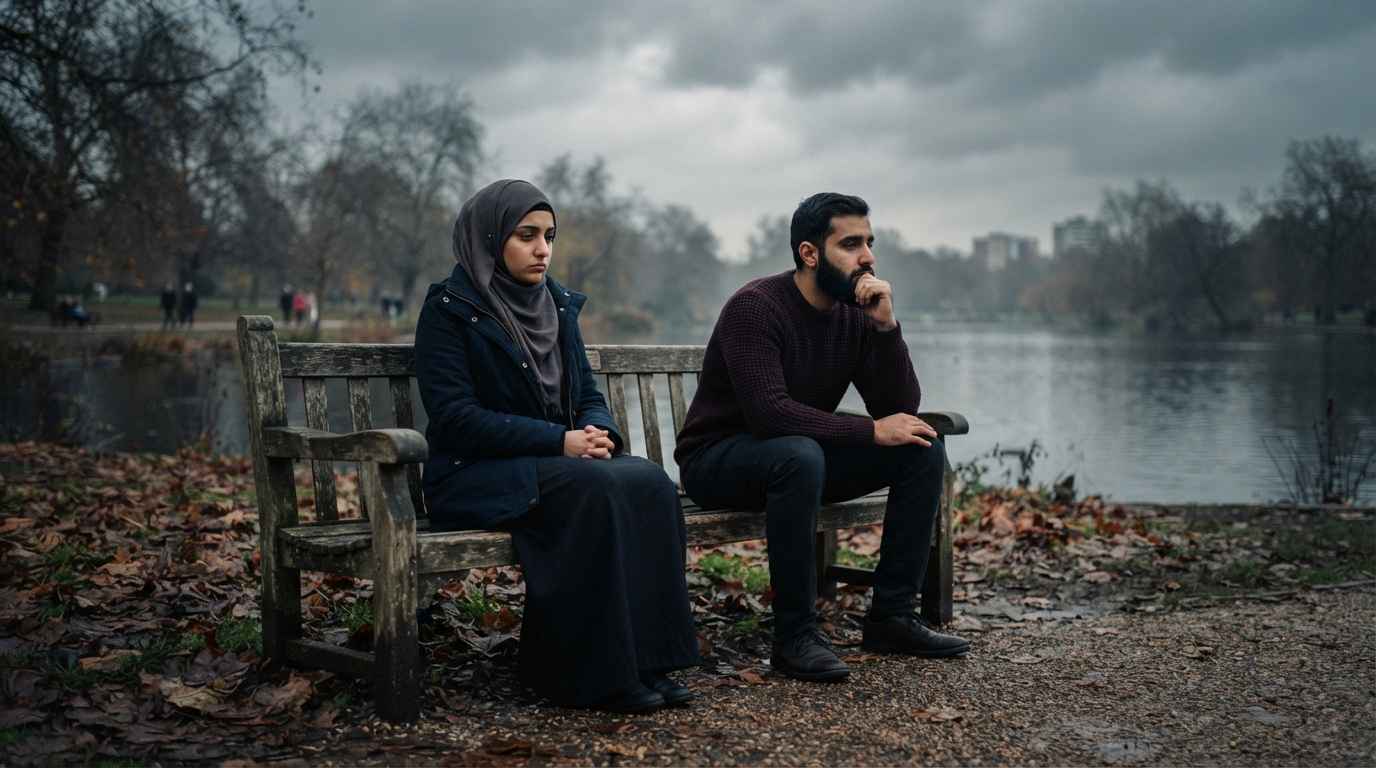
There are wounds that do not show. The argument that ended a friendship. The betrayal by someone you trusted. The parent who was never there. Years can pass, and still the memory surfaces at the quietest moments, still pulling at something inside you.
For many Muslims, the concept of forgiveness in Islam sits at the center of their faith. They know they are supposed to forgive. They have heard the verses. And yet the feeling does not always follow the intention. Forgiveness can feel like something being asked of you before you are ready, before the pain has even been acknowledged.
This article explores what forgiveness in Islam truly means, what both the Quran and the research on mental health tell us about letting go, and what to do when forgiveness feels out of reach.
What Does Forgiveness Mean in Islam?
In Arabic, the Quran uses several words connected to forgiveness, each with its own depth. Afw (العفو) means to pardon or release a claim against someone. Maghfira (المغفرة) refers to Allah's forgiveness of His servants. Safh (الصفح) carries the meaning of turning away, of choosing not to pursue punishment even when you have the right to do so.
Together, these terms paint a picture of forgiveness not as a single moment but as an orientation. It is a choice to release the ledger, to stop tallying what you are owed. Importantly, Islamic forgiveness does not erase the wrongdoing or pretend it did not happen. It is not a theological command to endure abuse or return to harmful relationships. It is a release that happens within you.
Allah (SWT) is described in the Quran as Al-Afuww, the Pardoner, 35 times. This is not incidental. The attribute of forgiveness is woven into the nature of the divine, and Muslims are repeatedly invited to embody it in their own lives.
What the Quran and Sunnah Teach About Forgiveness
The Quran makes the connection between forgiveness and mercy explicit and consistent. In Surah Ash-Shura (42:40), Allah says that the reward of an evil deed is a like evil, but whoever pardons and reconciles, his reward is with Allah. The emphasis here is telling: the person who forgives is not merely doing good for the other person. They are doing something that benefits their own soul.
In Surah Al-Imran (3:134), Allah describes the people of taqwa as those who give in prosperity and adversity, who control their anger, and who pardon people. Forgiveness is listed alongside controlling anger, suggesting that these two acts work together. Resentment that is held and rehearsed feeds itself. The practice of releasing it is what interrupts that cycle.
The Prophet Muhammad (PBUH) modeled this throughout his life. At the conquest of Makkah, when he stood before the very people who had persecuted him and his companions for years, his response was a general pardon. When asked by Aisha (RA) what dua to make on Laylat al-Qadr, he taught her: Allahumma innaka Afuwwun tuhibbul afwa fa'fu anni, O Allah, You are the Pardoner and You love to pardon, so pardon me. The invitation embedded in this dua is clear. When we ask Allah to forgive us because forgiveness is something He loves, we are also being invited to love that quality in ourselves.
The Psychological Cost of Holding On
Research in psychology consistently shows that unresolved resentment and unforgiveness have measurable effects on both mental and physical health. Studies have linked unforgiveness to higher levels of anxiety and depression, disrupted sleep, elevated stress hormones, and a diminished sense of life satisfaction.
The mechanism is not complicated. When we hold a grievance, we tend to ruminate on it. We replay the event, rehearse what we should have said, imagine confrontations that may never happen. Each replay activates the same stress response as the original harm. Over time, that becomes a significant burden.
For Muslim clients in therapy, there is often a layer of guilt on top of the pain. They feel they should have forgiven already. That guilt adds its own weight, making it harder to process the underlying hurt. A skilled Muslim therapist can help untangle this, working with both the faith perspective and the psychological reality at the same time.
Forgiveness Does Not Mean What You Might Think
One of the most common barriers to forgiveness is a misunderstanding of what it requires. Many people believe that forgiving someone means:
- Saying that what happened was acceptable
- Reconciling with the person who caused harm
- Suppressing your feelings or pretending the pain was not real
- Giving the other person a pass without accountability
None of these are what Islamic scholars or mental health professionals describe when they speak about forgiveness. You can forgive someone and still set firm boundaries. You can release resentment and choose never to speak to that person again. You can acknowledge the severity of what was done and still decide not to carry the weight of it any further.
Forgiveness is work you do in your own heart. It is not a transaction with the person who wronged you. It does not require their apology, their acknowledgment, or even their presence in your life.
When Forgiveness Feels Impossible
If you have tried to forgive and found yourself unable to, you are not failing your faith. You may simply be at a stage in your healing where the emotional work is not yet complete. Forgiveness is often the final chapter, not the first one.
Before you can release something, you usually need to feel it. For many Muslims, especially those from cultures where expressing pain is discouraged or where "being strong" is framed as the Islamic response, the emotional processing never happens. The hurt gets pushed down. And what gets pushed down does not go away. It surfaces as irritability, as chronic sadness, as distance in relationships, as a quiet heaviness that is hard to name.
Therapy creates the space to do that processing. Working with a therapist who understands both your clinical needs and your Islamic framework means you do not have to choose between your faith and your mental health. They belong together, and a good Muslim therapist knows how to hold both.
How Muslim Therapy Can Support Forgiveness
At Shifa Therapy, our therapists work with clients navigating some of the most difficult emotional terrain there is: estrangement from parents, betrayal within marriages, trauma carried from childhood, grief that has not been given room to breathe. Forgiveness often comes up not as a goal to achieve but as a natural horizon that becomes visible once the underlying work has been done.
Approaches our therapists may use include:
- Cognitive behavioral therapy (CBT) to identify and challenge rumination patterns tied to past harm
- Acceptance and Commitment Therapy (ACT), which encourages accepting painful thoughts and feelings rather than fighting them
- Trauma-informed care for clients whose experiences involve abuse, neglect, or complex relational harm
- Faith-integrated conversation that draws on Islamic principles of sabr, tawakkul, and mercy as part of the healing process
Moving Forward
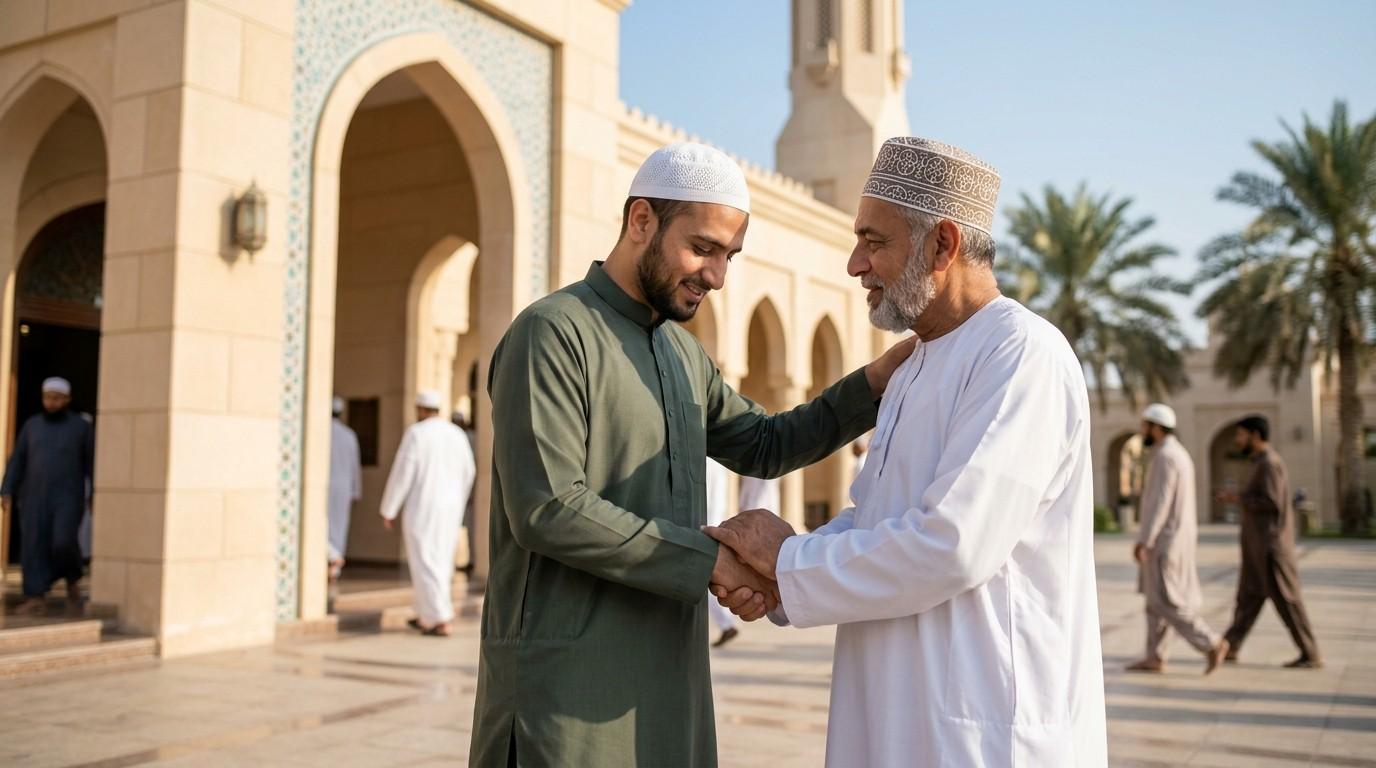
Forgiveness in Islam is not a burden placed on those who have suffered. It is an invitation toward something that ultimately serves you, a loosening of the grip that past pain has on your present life. It is also something that cannot be forced or rushed.
If you are carrying something heavy, it is okay to ask for help with it. Seeking support is not a sign of weak faith. In the tradition of Prophet Musa (AS), who turned to Allah saying Rabbi inni lima anzalta ilayya min khayrin faqir, My Lord, I am in need of whatever good You send down to me, reaching out is an act of humility and trust.
Your healing matters. Your peace matters. And there are people who can walk with you through it.
Frequently Asked Questions
Is forgiveness obligatory in Islam?
The Quran strongly encourages forgiveness and praises those who practice it, but scholars distinguish between cases where forgiveness is recommended (mustahabb) and those where seeking justice is also permissible. Forgiving is virtuous and is associated with earning Allah's mercy, but you are not sinning by acknowledging harm and seeking accountability.
Can I forgive someone who has never apologized?
Yes. Islamic forgiveness, and the psychological concept of forgiveness, both describe a process that happens within you rather than between you and the other person. An apology can help, but it is not a requirement for your own healing.
What if I have forgiven someone but the hurt still comes back?
Forgiveness is rarely a single decision; it is often a repeated choice as memories resurface. If recurring pain feels overwhelming, a Muslim therapist can help you work through the underlying emotional layers so that the process becomes less exhausting over time.
Does forgiving someone mean I have to let them back into my life?
No. Forgiveness and reconciliation are separate. You can release resentment and still maintain firm, healthy boundaries with someone who caused you harm. Protecting yourself is not contrary to forgiveness.
Can Muslim therapy help with forgiveness?
Muslim therapy provides a space to process pain, understand patterns, and move toward healing in a way that honors both your clinical needs and your faith. Many clients find that the capacity for forgiveness emerges naturally once the underlying grief or trauma has been properly addressed.