Muslim Couples Therapy. Find a Faith-Aligned Therapist Online
Speak to a verified Muslim therapist who understands your faith, culture, and relationship.
Couples Therapists Available Now
Verified Muslim therapists trained in couples and marriage counseling.
Language
- No language found

Fatima Altaf
Clinical Psychologist
Anxiety & Stress Depression Phobias and Fears Mood Disorders Trauma
Experience
10+ years
Speaks
Urdu, Hindi, English

Fawad Shah
Clinical Mental Health and Addiction Counsellor
Depression Self-Esteem Substance Abuse and Addiction Emotional Regulation Trauma
Experience
16+ years
Speaks
English, Hindi, Urdu
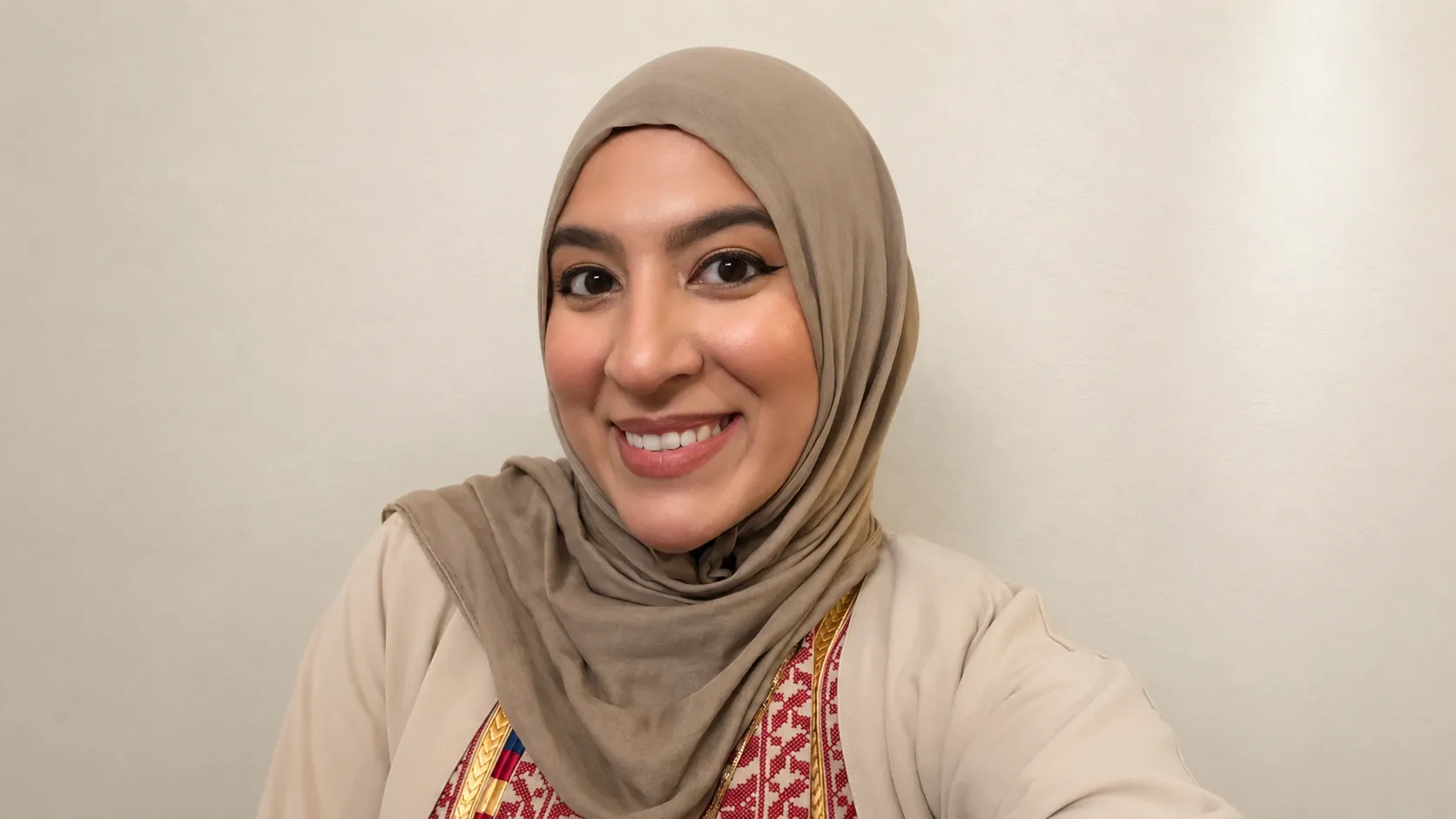
Tahreer Ahmad
LPC, NCC, THTC
Anxiety & Stress Depression Relationship Issues Family counseling Mood Disorders
Experience
10+ years
Speaks
English, Arabic
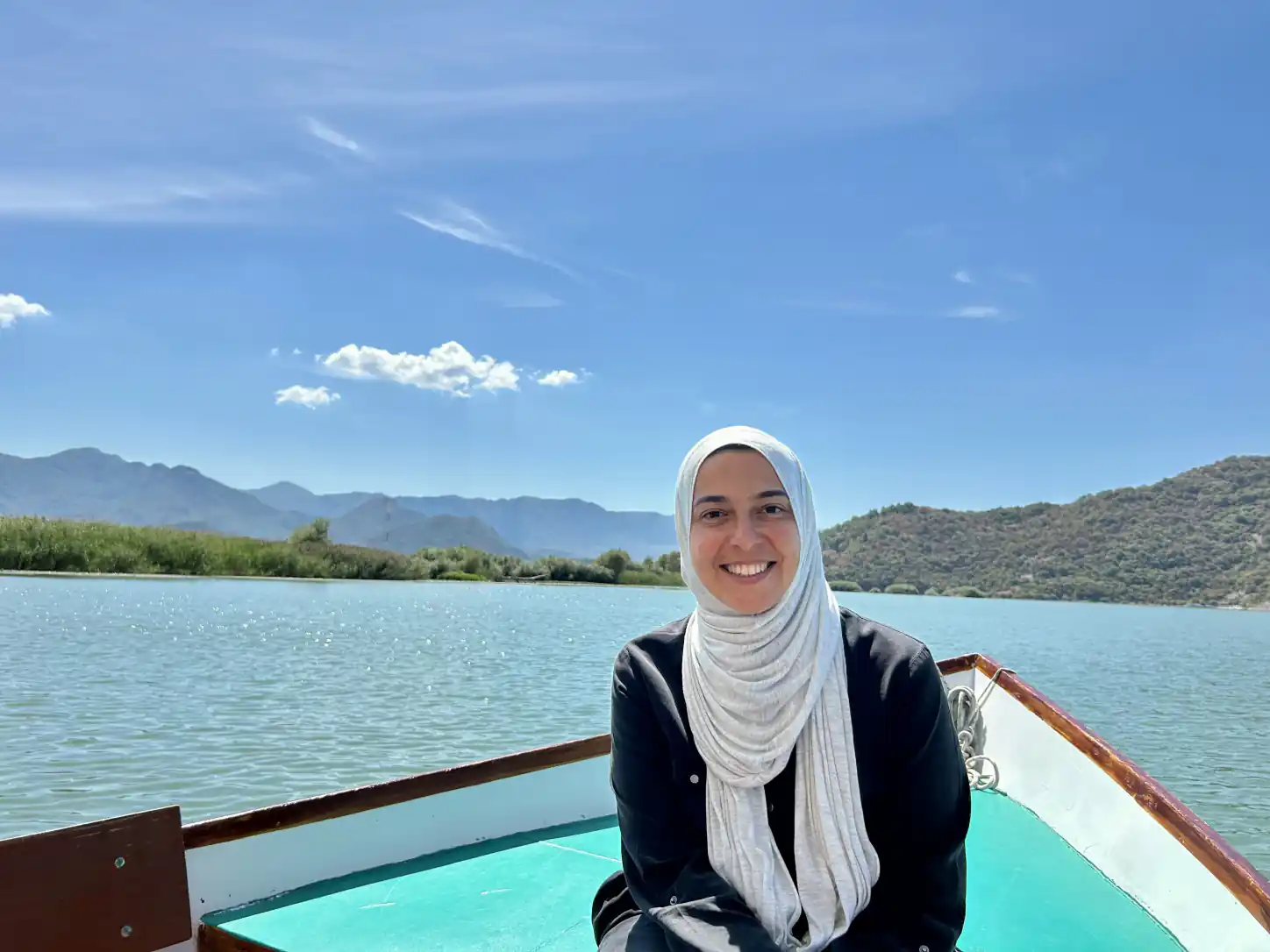
Nour El Masry
Psychotherapist
Anxiety & Stress Depression Anger Management Cultural Identity Issues Discrimination & islamophobia
Experience
6+ years
Speaks
Arabic, English
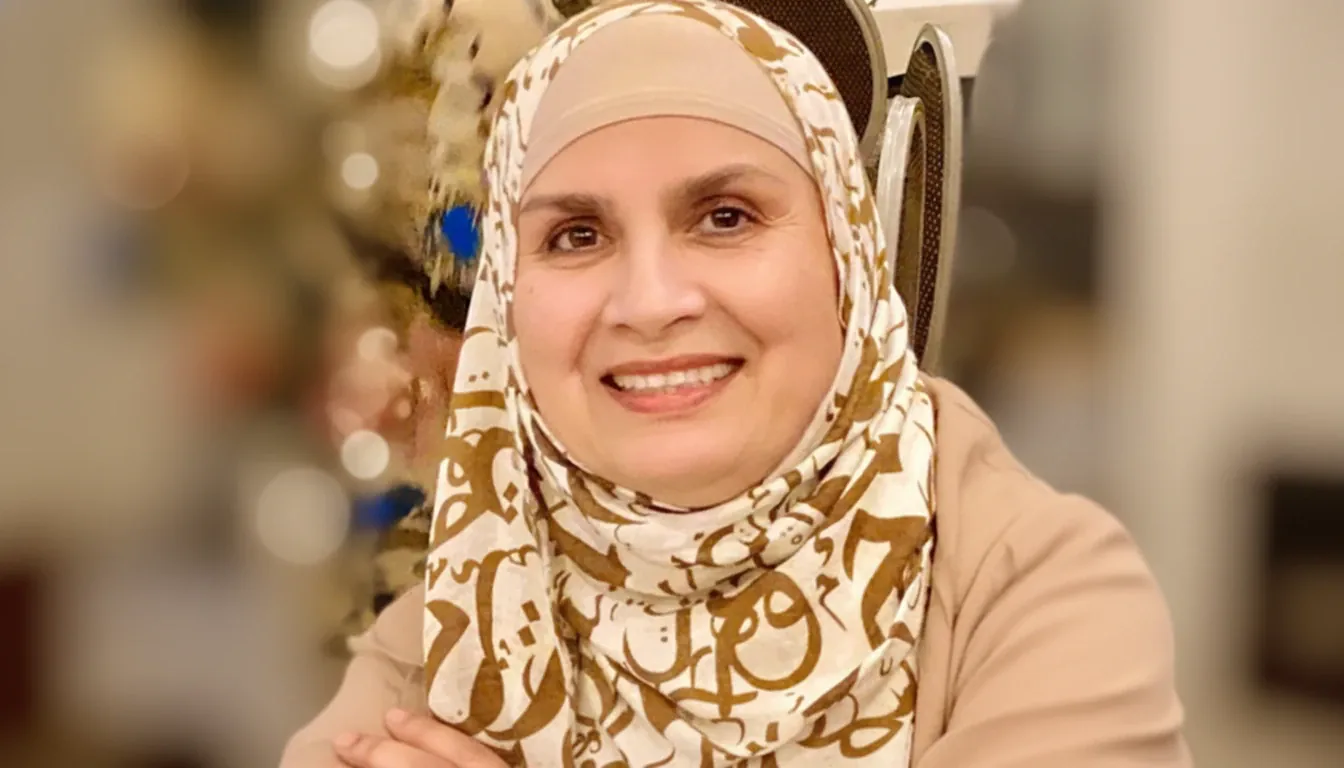
Humera Sheikh
LCSW, Psychotherapist
Anxiety & Stress Depression Grief and Loss Parenting Support Child & adolescents therapy
Experience
9+ years
Speaks
English, Hindi, Punjabi, Urdu

Hedaya Aldaleel
Registered Psychotherapist (Qualifying) & Art Psychotherapist
Anxiety & Stress Self-Esteem PTSD Mood Disorders Trauma
Experience
7+ years
Speaks
Arabic, English
Therapy That Respects Who You Are
Six things every Muslim should expect from therapy. We treat them as the baseline, not the bonus.
Understands Islamic values and obligations
Waswasa, halal boundaries, family expectations, faith pressures — they know, because they live it too.
Choose your therapist’s gender
Male or female — your comfort is always honoured.
Sessions in your language
Arabic, Urdu, Somali, Turkish, Hindi, and 15+ more available.
Complete confidentiality
Everything stays between you and your therapist. No one else will know.
Your values are honoured, not challenged
Therapy and faith work together. No pressure to abandon what matters.
Rated 4.8★ by Muslim clients
Anonymous post-session ratings from real people who’ve worked with our therapists.
Three Steps to Booking Your First Session
Finding faith-aligned support shouldn’t feel hard. We’ve made it simple.
Share what’s on your heart.
Tell us what’s been weighing on you, what kind of Muslim therapist feels right, and when you’re free. We’ll ask about your faith and background so the match actually means something.
We find your Muslim therapist.
One faith-aligned therapist, chosen with care around everything you shared. You’ll get a personal note explaining why they’re the right Islamic fit for you specifically.
Begin your healing journey.
Book your time, complete the steps, and trust the process. Your Muslim therapist will be ready — take it one session at a time.
Pricing
Therapy from USD60 per session
Every therapist is licensed and verified. What changes with price is how much experience is in the room, not how much care you get.
Qualified
2-3 years
USD60
per session
Experienced
3-5 years
USD90
per session
Senior
5-10 years
USD135
per session
Specialist
10+ years
USD206
per session
Book more sessions, pay less per session. See all prices
Taking the first step is the hardest part.
You’ve already started by being here. Let us help you find a Muslim therapist who truly understands.
Found someone whose words already feel familiar?
Pick the therapist who gets your faith, your culture, and your story — and book your first session in two clicks.
No commitment. No subscription. From USD60 per session.
Muslim couples therapy & faith-aligned marriage counseling online
Every marriage goes through seasons. Some seasons are joyful and easy to navigate together. Others bring distance, misunderstandings, and pain that is hard to name, let alone heal from alone.
If you and your spouse are struggling, reaching out is not a sign that your marriage has failed. It is a sign that you both still care enough to try.
At Shifa Therapy, our Muslim couples therapy sessions connect you with licensed marriage counselors who understand not just the clinical side of relationships, but the faith, culture, and community context that shapes Muslim marriages.
Whether you are navigating conflict, rebuilding trust, or simply feeling disconnected, our therapists are here to support both of you, together.
What is Muslim couples therapy?
Muslim couples therapy is a form of relationship counseling designed specifically for Muslim spouses. It draws on both evidence-based therapeutic techniques and Islamic values to help couples improve communication, resolve conflict, and deepen their connection.
What makes it distinct from general marriage counseling is the cultural and spiritual lens.
A Muslim marriage therapist understands the unique dynamics that shape Muslim relationships, including family involvement in decision-making, navigating differing levels of religious practice, cultural expectations around gender roles, and the weight of community perception.
These are not peripheral issues. For many Muslim couples, they sit at the very center of marital tension.
Online Islamic marriage counseling makes this support accessible wherever you are. Sessions take place over secure video, so you can speak with a therapist from home, on your schedule, without the barriers of geography or stigma.
Common challenges Muslim couples face
Muslim couples bring the same human struggles to marriage that all couples do, and they also carry challenges that are distinctly their own.
Some of the most common issues our Muslim marriage counselors work through with couples include:
Communication breakdowns: Many couples find it difficult to express needs, set boundaries, or share vulnerability without conflict escalating. Over time, silence replaces honesty, and distance grows.
Mismatched expectations: When two people enter a marriage with different assumptions about roles, finances, parenting, or religious practice, those differences can surface as ongoing friction, especially if they were never discussed openly before nikah.
Extended family dynamics: In-law relationships, family interference, and cultural pressure can create significant strain. The boundary between supporting family and protecting the marriage is not always easy to draw.
Differences in religious observance: One spouse may be more or less observant than the other. Rather than a minor inconvenience, this can become a recurring source of tension when it touches daily life, parenting, or major decisions.
Intimacy and emotional distance: Physical and emotional intimacy often suffer when other conflicts go unaddressed. Couples may feel more like housemates than partners, struggling to reconnect.
Intercultural marriages: When spouses come from different cultural backgrounds, even both being Muslim, differing traditions, family expectations, and communication styles can create misunderstanding.
Trust and infidelity: Rebuilding after a breach of trust is one of the hardest things a couple can do. Islamic marriage counseling can provide a structured, safe space for that process.
Considering separation or divorce: When divorce is on the table, couples therapy can help clarify whether reconciliation is possible, and if separation does occur, how to navigate it in a way that honors both parties and any children involved.
How Islamic principles integrate into couples counseling
Faith is not something our therapists ask you to set aside at the door.
For most Muslim couples, Islam shapes how they understand commitment, forgiveness, communication, and what marriage is meant to be. Our approach honors that.
The Quran describes the relationship between spouses as one of the most profound signs of Allah's mercy:
"And He placed between you affection and mercy" (Quran 30:21)
This framing, marriage as rahma (mercy) and mawaddah (love), is a foundation our therapists return to when helping couples reconnect with why they chose each other.
Islamic conflict resolution principles, including shura (mutual consultation), afw (forgiveness), and islah (reconciliation), are naturally integrated into sessions when relevant.
Our therapists do not impose religious content. They follow your lead. If Islamic framing is meaningful to you and your spouse, it becomes part of the work. If you prefer a primarily clinical approach, that is equally supported.
What does not change is the commitment to understanding your marriage within the context it actually exists in, including your faith, your culture, and your community.
Our therapeutic approaches for Muslim couples
Our Muslim couples therapists are trained in a range of evidence-based methods. Depending on your situation, your therapist may draw from one or several of the following.
Gottman Method
The Gottman Method is one of the most research-backed approaches to couples therapy. Developed from decades of relationship science, it focuses on building friendship and trust, managing conflict constructively, and creating shared meaning as a couple.
Our therapists use Gottman tools to help you identify negative interaction patterns, what researchers call the Four Horsemen (criticism, contempt, defensiveness, and stonewalling), and replace them with healthier ways of engaging.
For Muslim couples, this framework aligns naturally with Islamic ideals of consultation and mutual respect.
Emotionally Focused Therapy (EFT)
EFT works by helping couples understand the emotional needs and attachment patterns driving conflict beneath the surface.
Many arguments that appear to be about household tasks, finances, or parenting are actually about feeling unseen, unvalued, or abandoned. EFT helps both spouses articulate those deeper feelings and respond to each other with greater empathy and security.
It is particularly effective for couples experiencing emotional distance or recurring cycles of conflict and withdrawal.
CBT for couples
Cognitive Behavioural Therapy adapted for couples helps identify the thoughts and beliefs that trigger reactive behavior.
If one or both spouses have core beliefs about themselves, their partner, or what marriage should look like that are fueling resentment or anxiety, CBT techniques can surface and reframe them.
This approach is practical and structured, often with exercises to work through between sessions.
Islamic conflict resolution
Drawing on principles from Islamic ethics and scholarly guidance, this approach helps couples navigate disagreement through the lens of adl (justice), rahma (mercy), and sabr (patience).
It is particularly useful when conflict touches on questions of Islamic practice, family obligations, or decisions where one or both spouses feel that their values are at stake.
This is not religious instruction. It is therapeutic support that takes Islamic values seriously as a resource for healing.
Signs you and your spouse should consider couples therapy
There is no crisis threshold you need to reach before couples therapy is appropriate.
Many couples benefit from working with a Muslim marriage counselor as a preventative measure, long before things feel urgent.
That said, some clear signs that professional support could help include:
- The same arguments keep repeating without ever reaching real resolution
- One or both of you feel unheard, dismissed, or disrespected in the relationship
- You have stopped sharing feelings and have retreated into parallel lives
- There has been a breach of trust, emotional or physical, that has not healed
- Parenting disagreements are creating significant ongoing tension
- Extended family involvement is affecting your relationship and you cannot agree on how to address it
- Divorce or separation has come up in arguments, even if neither of you is certain that is what you want
- You feel more like roommates than spouses
- Intimacy, emotional or physical, has significantly declined
- One or both of you is dealing with mental health challenges that are affecting the marriage
Reaching out for support is not an admission of failure.
The Prophet ﷺ consistently modeled consultation, gentleness, and effort in relationships. Seeking help to strengthen your marriage is fully in keeping with those values.
What to expect from Muslim marriage counseling sessions
The first session is not about assigning blame or deciding who is right.
It is about creating a shared picture of what is happening in your relationship and what you both hope to get from therapy.
Your Muslim couples therapist will introduce themselves, explain how sessions work, and ask each of you to share your perspective on what has brought you to therapy. You will not be put on the spot or asked to resolve anything in the first meeting.
The goal is simply to establish trust, understand the dynamic, and agree on what you are working toward.
Both spouses will be given space to speak. Your therapist will help manage the conversation so that it does not become an argument, and if emotions run high, they are trained to navigate that.
By the end of the first session, you and your therapist will typically agree on initial goals and a session frequency that works for you both. Most couples begin with weekly sessions before moving to fortnightly as progress is made.
Sessions take place online over secure video. You can join from home, from separate rooms if needed, or from wherever feels most comfortable. Everything shared remains fully confidential.
Is couples therapy halal in Islam?
Yes, and this is a question we take seriously, because we know it matters to many Muslim couples.
Islam places immense value on marriage. The Quran and Sunnah both emphasize the importance of treating spouses with kindness, working toward reconciliation in conflict, and seeking counsel when guidance is needed.
Scholars across traditions have consistently held that seeking professional help to strengthen a marriage is permissible and encouraged, provided that the process respects Islamic boundaries.
At Shifa Therapy, our Muslim couples therapists are themselves Muslims. They approach your marriage with the same values you hold, confidentiality, respect for Islamic ethics, and sensitivity to the role faith plays in your relationship.
Sessions are not mixed-gender group settings. They are private, structured, and professionally conducted.
A question we sometimes hear is whether discussing marital problems with a stranger is appropriate Islamically. Our view, shared by many scholars and community leaders, is that seeking help from a qualified professional is an act of wisdom, not weakness, and that protecting and strengthening the marriage is a worthy intention (niyyah) in itself.
Interfaith marriage counseling
Interfaith marriages come with real questions that deserve space to be worked through together, from differing beliefs and practices to extended family expectations and how children will be raised. Without a place to talk these through, even a strong relationship can start to feel strained.
Our Muslim couples therapists support interfaith couples with the same care and cultural understanding they bring to every relationship they work with. Whether one partner is Muslim and the other is not, or the two of you are navigating different levels of religious practice within your own families, therapy offers a space to be honest about what feels hard without either partner feeling judged or unheard.
Sessions can help you build shared language around faith and identity, work through disagreements about raising children, address concerns from extended family, and strengthen your connection as a couple even when your beliefs do not fully align. Our therapists never ask you to abandon your values or pressure you toward a particular outcome. Their role is to help you and your partner communicate more openly and build a relationship that works for both of you.
You do not have to have everything figured out before reaching out. Many interfaith couples come to therapy simply wanting a neutral, supportive space to talk things through together.
Our Muslim marriage counselors
Our network includes verified, licensed therapists, many of whom specialize in Muslim couples therapy and Islamic marriage counseling.
All therapists hold recognized professional credentials (ACA, BACP, BPS, or equivalent) and have been vetted before joining the platform.
Our Muslim marriage counselors bring lived experience of navigating Muslim identity in Western and Gulf contexts. They understand the cultural texture of Muslim marriages, the role of family, the weight of community, and the intersection of faith and daily life.
Many speak Arabic, Urdu, Somali, Gujarati, Hindi, and other languages alongside English, so language is rarely a barrier.
When you book with Shifa Therapy, you complete a brief matching questionnaire. Based on your responses, we match you with a therapist suited to your needs, including therapist gender preference, language, therapeutic approach, and area of specialization.
Most couples are matched within 24 to 48 hours.
Frequently asked questions about Muslim couples therapy
Can we request a female therapist for our couples sessions?
Yes. When completing your matching questionnaire, you can specify your therapist gender preference. We will match you accordingly. This is a common request and one we accommodate fully.
What if my spouse is hesitant about therapy?
This is more common than you might think. Many people, particularly those who grew up in communities where therapy carried stigma, are cautious at first. If your spouse is open to it, sharing what couples therapy actually involves often helps. You are also welcome to begin with an individual session to explore the process on your own before inviting your spouse in.
Do both of us need to attend every session?
Most sessions involve both spouses together. There may be occasions when your therapist suggests a brief individual check-in with one spouse, but the core work happens as a couple. Consistency matters, and both spouses attending regularly produces the best outcomes.
Is what we share in sessions kept confidential?
Yes, completely. Sessions are private and confidential. Your family, employer, and community are never notified. The only exceptions are standard legal ones: if there is risk of serious harm, a therapist is required by professional ethics and law to act accordingly. Outside of that, what is shared in sessions stays between you and your therapist.
Can online Muslim couples therapy work as well as in-person?
Research consistently shows that online therapy produces outcomes comparable to in-person therapy for most concerns, including relationship counseling. Many couples find online sessions more convenient and less intimidating than sitting in a physical office. The flexibility of scheduling and the ability to join from home often reduces practical barriers that would otherwise prevent couples from seeking help at all.
How long does couples therapy typically take?
This varies significantly depending on the concerns involved and your goals. Some couples see meaningful improvement within 8 to 12 sessions. Others work with a therapist over six months or longer, particularly when rebuilding trust after a serious breach. Your therapist will give you a realistic sense of timeline after the first session.
Do you offer Islamic premarital counseling?
Yes. If you are engaged or recently married and want to build strong foundations before challenges arise, our therapists can work with you on communication, expectations, family dynamics, and shared values. This is often one of the most impactful investments a couple can make.
What is the cost of a session?
Sessions start from $64 per session on a monthly plan. Your therapist tier determines the rate, and we offer several tiers to match different budgets. While we do not bill insurance directly, we provide receipts that many clients submit to their insurers for reimbursement.
Reviewed by: Counselling Hypnotist Abir Elkadi
Authored by: Trauma & Resilience Specialist Samah Ban
Editorial policy
Shifa Therapy has put in place strict guidelines to ensure content accuracy and integrity. We aim to provide factual mental health and medical information backed by the latest research from trusted, reputable, and credible sources. These include scientific studies, medical journals, expert opinions, clinical guidelines, government health agencies, academic institutions, and professional medical organizations. Read our editorial policy to learn more about how we ensure the accuracy of our content.
Frequently asked questions
Everything you need to know about the product and billing.
Who are the best Muslim therapists for marriage counseling & couples therapy?
5 best Muslim therapists for marriage counseling & couples therapy are:
How do I connect with a Muslim therapist for marriage counseling & couples therapy?
You can connect with a licensed Muslim therapist for marriage counseling & couples therapy through the Shifa Therapy platform. Select your preferred therapist from the list above or contact our support team to get matched with a therapist automatically.
Are Shifa Therapy sessions halal and faith-aligned?
Yes. Our therapists are trained to provide counseling that is respectful of Islamic values and principles. You can discuss mental health concerns in a way that aligns with your faith.
Can Shifa Therapy accommodate interfaith or non-Muslim clients?
Absolutely. While we specialize in Muslim-centered therapy, our licensed therapists can also work respectfully with clients from other faith backgrounds.
Can I get therapy from outside my city or country?
Yes. Shifa Therapy offers online sessions, so you can connect with licensed therapists no matter where you are, provided you have a stable internet connection.
Do you accept insurance for therapy sessions?
Currently, Shifa Therapy does not accept insurance. We aim to keep therapy accessible through affordable direct payments, but insurance options may be considered in the future.
Still have questions?
Chat with us and we'll help you find the right therapist for your needs.
🔒 100% private · No commitment