Key Takeaways
- What it is: Generational trauma passed down through family patterns, communication styles, and emotional responses, not just genetics.
- Cultural silence: In many Muslim communities, silence around mental health lets these cycles continue unchecked.
- Inherited patterns: Recognizing suppression, shame, or control passed down is where change begins.
- Islamic support: Self-reflection, healing, and personal responsibility are all encouraged in Islam, and all support therapy.
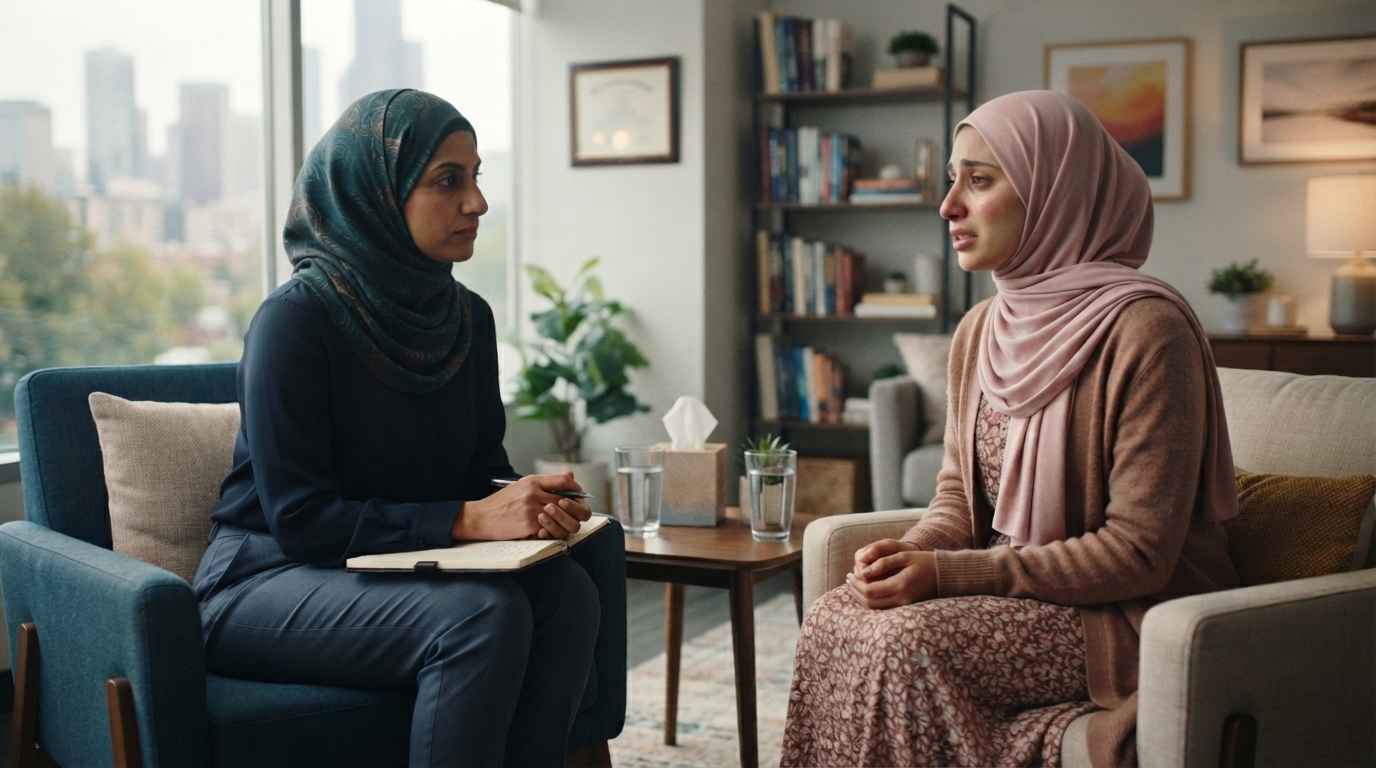
- Muslim therapy: A therapist can help you honor your family while choosing a healthier, more intentional path.
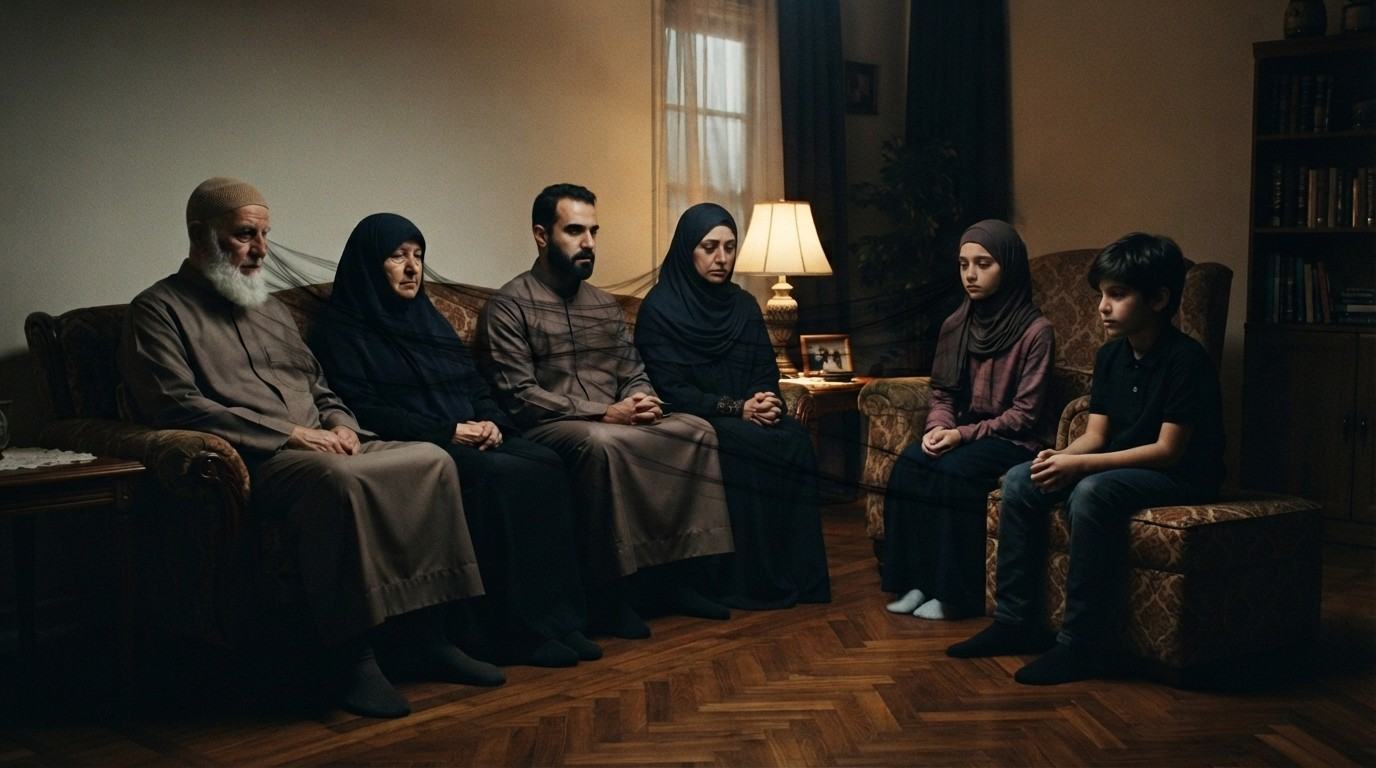
Generational trauma in Muslim families is a pattern most people feel but few ever name.
It lives in the silence after difficult conversations, in the expectations no one agreed to but everyone carries, and in the way pain that was never spoken about somehow still found its way to you.
This article explores how unresolved wounds travel across generations, why Muslim communities are uniquely affected, and what it looks like to finally break the cycle with faith at the center of your healing.
Generational trauma in Muslim families is more common than most people realize, and it does not always look the way you might expect.
It is not always about one major event. Sometimes it is the quiet inheritance of emotional habits that no one in the family ever named.
Quick Answer:
Generational trauma in Muslim families refers to emotional pain, unhealthy coping patterns, and unresolved wounds passed from parents to children across generations.
It often shows up as emotional suppression, rigid expectations, or difficulty with open communication. Breaking the cycle begins with recognizing these patterns and working with a culturally sensitive therapist who understands your faith and your family.
What Is Generational Trauma?
Generational trauma, sometimes called intergenerational trauma, refers to emotional and psychological wounds that are passed down from one generation to the next.
This can happen through direct experience, such as growing up with a parent who survived war or displacement, or through subtler channels like family communication patterns, unspoken expectations, and the emotional atmosphere of a household.
Research in psychology has shown that trauma does not simply end with the person who experienced it.
When a parent never processes their own pain, that pain often shapes the way they relate to their children.
The child may never hear the full story, but they absorb the anxiety, the hypervigilance, or the emotional distance that trauma leaves behind.
In Muslim families specifically, this pattern can be compounded by migration histories, experiences of war or political instability, the stress of building a new life in a Western country, and cultural norms that discourage open emotional expression.
How Generational Trauma Shows Up in Muslim Families
Generational trauma rarely announces itself. Instead, it weaves into everyday family dynamics in ways that can feel completely normal until you step back and look at the broader pattern.
Emotional suppression:
In many Muslim households, children learn early that certain emotions are unwelcome. Anger is disrespectful. Sadness is a sign of weak iman. Fear is something you handle with dua alone.
Over time, this teaches people to disconnect from what they feel, and that disconnection gets carried into adult relationships, parenting, and self image.
Rigid expectations and control:
Parents who grew up in environments where survival depended on conformity may enforce strict rules without room for dialogue.
The intention is protection, but the impact on a child can be a deep fear of making their own choices or expressing their individuality.
Difficulty with boundaries:
When previous generations lived in close knit, collectivist structures where individual needs came second, setting personal boundaries can feel like betrayal.
Adult children may struggle to say no or to voice disagreement, even when doing so would be healthy.
Shame around vulnerability:
Many Muslim families carry an unspoken rule that personal struggles stay within the home.
Asking for outside help, whether from a therapist, a counselor, or even a trusted community member, can feel like exposing the family.
This shame cycle keeps people stuck in pain they never chose.
Repeating relationship patterns:
People who grow up in homes shaped by unresolved trauma often find themselves in relationships that echo the same dynamics.
They choose partners who mirror familiar emotional patterns, or struggle with the same communication breakdowns their parents experienced.
Why These Patterns Persist
Knowing why generational trauma sticks around is key to releasing its hold.
Several factors keep the cycle turning, especially in Muslim communities.
First, there is the matter of cultural silence.
Many Muslim families come from backgrounds where mental health was simply not discussed.
There was no vocabulary for depression, anxiety, or trauma. If your parents never had the language to name what they carried, they could not pass that language on to you.
Second, the experience of migration itself can be deeply traumatic, and it is rarely treated as such. Parents who left everything behind to give their children a better life may view their own pain as a necessary sacrifice, not something worth examining.
Third, there is a widespread misconception that faith alone should be enough to heal emotional pain.
The idea that prayer, patience, and tawakkul should resolve everything can make people feel guilty for still struggling, as though their faith is somehow deficient.
This is a misunderstanding of what Islam actually teaches about healing and seeking help.
Faith as a Foundation for Healing
Islam has always placed value on self reflection, personal growth, and accountability.
The Quran encourages believers to reflect on their own condition and to take active steps toward wellbeing.
The Prophet Muhammad (peace be upon him) sought counsel, expressed emotion, and encouraged others to seek treatment for their ailments, whether physical or emotional.
Therapy is not a replacement for faith. It is a complement to it. Just as you would see a doctor for a broken bone rather than relying solely on dua, working with a therapist to process emotional pain is a practical act of self care that aligns with Islamic principles.
Muslim therapists can hold space for both your clinical needs and your spiritual identity without forcing you to choose one over the other.
If you have been wondering whether therapy conflicts with your faith, the answer is that Islam actively supports the pursuit of healing through every lawful means available.
How Muslim Therapy Helps Break the Cycle
Breaking the cycle of generational trauma is possible without rejecting your family or dishonoring your parents.
You can choose to do something different with the pain you inherited, so it stops there instead of passing to the next generation.
In therapy, you learn to identify the patterns you absorbed from your upbringing and examine them honestly.
You begin to separate what was done out of love from what was done out of unprocessed pain.
You develop emotional language that may not have existed in your household growing up, and you practice using it in your relationships today.
Working with a Muslim therapist adds an important layer.
They understand the cultural weight of family loyalty, the role of community reputation, and the way faith intersects with identity.
They will not ask you to abandon any of that. Instead, they help you integrate your values with healthier emotional habits so that you can be fully yourself, faithful and healed.
Approaches like trauma focused cognitive behavioral therapy, EMDR, and attachment based therapy have all shown strong results for intergenerational trauma.
When delivered by a therapist who shares your cultural and spiritual framework, these approaches become even more effective because the therapeutic relationship itself feels safe.
Starting Your Healing Journey
If you recognize your family in anything described above, know that awareness is the most important first step.
You did not choose these patterns, but you do have the power to change them.
Start by noticing. Pay attention to your emotional reactions, especially the ones that feel automatic or out of proportion.
Notice where your responses echo what you saw growing up. This is not about blame. It is about clarity.
Give yourself permission to feel. If you were taught that certain emotions are wrong or dangerous, remind yourself that emotions are information.
Frequently Asked Questions
What is generational trauma in Muslim families?
Generational trauma refers to emotional pain, unhealthy coping mechanisms, and unresolved psychological wounds that are passed from parents to children across generations. In Muslim families, this can be shaped by migration, cultural norms around emotional expression, and the stigma surrounding mental health.
Is therapy compatible with Islam?
Yes. Islam encourages seeking treatment and taking care of your mental and emotional wellbeing. Therapy is not a replacement for faith. It is a practical tool that works alongside your spiritual practices to support healing.
How do I know if generational trauma is affecting me?
Common signs include emotional suppression, difficulty setting boundaries, repeating unhealthy relationship patterns, fear of vulnerability, and a deep sense of guilt or shame when you try to prioritize your own needs. If these feel familiar, speaking with a Muslim therapist can help you understand where they come from.
Can I work on generational trauma without hurting my relationship with my parents?
Absolutely. Healing from generational trauma is not about blaming your parents. It is about understanding the patterns you inherited and making conscious choices about how you want to live and relate to others going forward. A good therapist will help you hold compassion for your family while also taking care of yourself.
Therapists who specialize in this
We couldn't load therapists right now.
Looking for Support?
Connect with a licensed therapist specialized in these areas.


Ready to Start Your Therapy Journey?
Connect with a licensed therapist who understands your needs — fully online and confidential.