Key Takeaways
- Islamic psychology is psychology that takes the Islamic worldview seriously, drawing on Quran, sunnah and classical scholars alongside modern clinical science.
- It has deep historical roots in the work of al-Balkhi, Ibn Sina, al-Ghazali and Ibn al-Qayyim, who wrote on anxiety, depression and spiritual illness centuries before modern psychology named them.
- Core concepts include the four faculties (ruh, qalb, nafs, aql) and the three states of the nafs, which help therapists ask which part of a person is struggling.
- Modern Islamically-integrated frameworks such as TIIP combine evidence-based therapy with classical Islamic models; outcomes for religiously-integrated CBT are at least as good as secular CBT for many Muslim clients.
- It is especially helpful when the problem touches religious practice, when standard therapy has not worked, or when a client wants recovery and faith to deepen together.
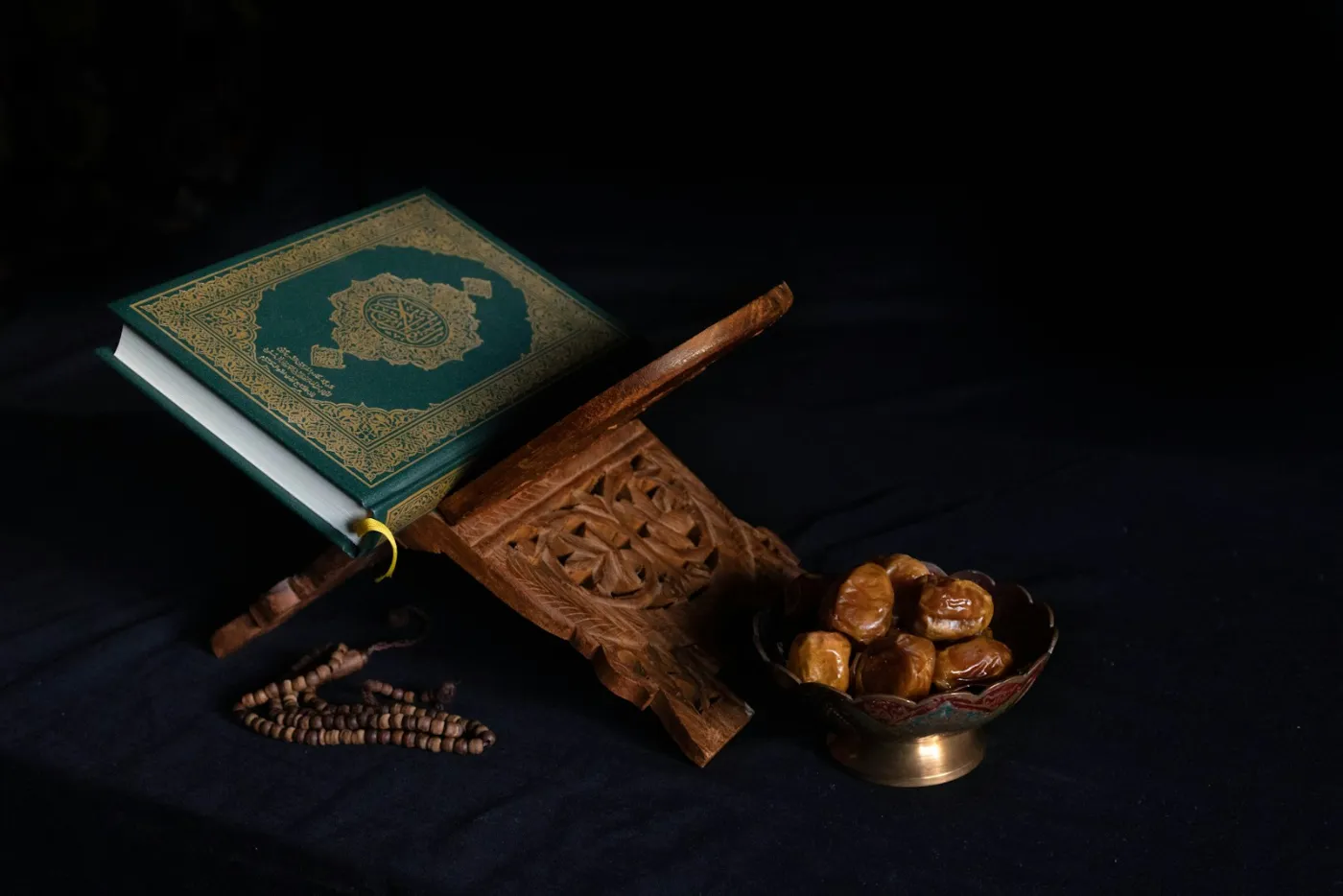
Islamic psychology is the branch of psychology that draws on Islamic sources (Quran, sunnah and classical Muslim scholars) alongside modern psychological science to understand the human mind and heal it. It is both an old tradition and a growing contemporary field, with its own clinical approaches, its own training programs, and a steadily building evidence base.
What Islamic Psychology Is
At its simplest, Islamic psychology is psychology that takes the Islamic worldview seriously. It assumes the human being is more than a bundle of neurons and conditioning. It holds that the soul (ruh), heart (qalb), intellect (aql) and lower self (nafs) each have a role in how we think, feel and act, and that healing often needs to touch more than one of them.
It is not the rejection of modern psychology. Most Muslim therapists today use evidence-based treatments such as cognitive behavioural therapy, EMDR and acceptance and commitment therapy. The Islamic lens shapes how those tools are framed and offered, not whether they are used.
Historical Roots
The modern conversation about Islamic psychology has deep roots. In the ninth century, Abu Zayd al-Balkhi wrote Sustenance of the Soul, one of the earliest systematic works on what we would now call anxiety, phobia, obsession and depression, with proposed treatments. Ibn Sina (Avicenna), Al-Razi, Al-Ghazali and Ibn al-Qayyim al-Jawziyyah each wrote on the mind, emotion and spiritual illness centuries before the discipline was named in Europe.
Al-Ghazali's Ihya' Ulum al-Din describes patterns we would today call perfectionism, rumination and anger with clinical precision, and offers both cognitive and behavioural prescriptions. Ibn al-Qayyim's work on the diseases of the heart reads like an early map of what modern therapists call schemas.
Core Concepts
The Four Faculties
Classical Muslim scholars describe the inner life in terms of four interacting parts:
- Ruh. The soul. The breath of life from Allah. Untouchable by psychology in the strict sense, but reachable through worship and sincere connection.
- Qalb. The heart. The seat of emotion, intention and faith. It can be clear or clouded, soft or hardened.
- Nafs. The self. The part of us that wants, resists, defends. It can be refined through practice.
- Aql. The intellect. The reasoning faculty. It can be steered by the nafs or guide it.
A therapist with an Islamic lens asks which part is struggling, not just which symptom to treat.
Three States of the Nafs
The Quran describes the nafs in three states:
- Nafs al-ammarah. The self that commands to lower impulses. The pull toward anger, envy, lust, cruelty.
- Nafs al-lawwamah. The self that reproaches. Conscience. The guilt and self-correction that sits between the impulse and the act.
- Nafs al-mutma'innah. The tranquil self. Settled, content, at ease with Allah.
Growth is the slow move from the first to the third. Therapy, dhikr, prayer and good company all pull in that direction. If you have been building the habit of taqwa, you have been working on the nafs already, whether or not you called it psychology.
Islamic Psychology in Modern Clinical Work
Today, two frameworks are often cited.
Traditional Islamically Integrated Psychotherapy (TIIP). Developed by Dr. Hooman Keshavarzi and colleagues, TIIP integrates classical Islamic models of the soul with modern psychotherapy. It assesses which faculty is in trouble and tailors treatment accordingly.
The Khalil Center approach. A US-based clinic that has been building scalable Islamically-grounded clinical protocols for conditions such as anxiety, depression, trauma and religious OCD, with Islamic chaplaincy support alongside therapy.
At Shifa, therapists work in a similar spirit. Evidence-based therapy delivered by Muslim clinicians who understand the terrain, the terminology, and the religious questions a client may bring in.
What the Research Shows
Religiously-integrated CBT has been studied in clinical trials over the past decade, including for Muslim clients. Outcomes for depression and anxiety are at least as good as secular CBT, and for some clients they are better. Dropout rates tend to be lower when the therapy aligns with the client's worldview. Spiritual coping, when it is used actively rather than as avoidance, is associated with better outcomes in a long list of studies.
None of this makes Islamic psychology a cure-all. Severe illness still needs the best available treatment, which may include medication and specialist care. The point is that faith can be part of recovery, not an obstacle to it.
What It Looks Like in a Session
A typical Islamically-integrated session might include:
- Standard assessment and goal-setting
- A conversation about how faith fits into the problem and the solution
- Evidence-based techniques (behavioural experiments, cognitive restructuring, exposure)
- Spiritual practices used therapeutically, such as structured dhikr, reflection on specific verses, or duas for anxious moments
- Collaboration with a scholar if a religious question is holding the work back
When Islamic Psychology Helps
Any client can benefit if it aligns with their worldview. It is particularly useful when:
- The presenting problem touches religious practice directly (scrupulosity, waswas, religious doubt, grief tied to faith questions)
- Standard therapy has not worked because the client could not engage with it
- The client wants their recovery to deepen their relationship with Allah, not run parallel to it
Frequently Asked Questions
Is Islamic psychology a separate science?
It is better described as a lens on psychology that draws from Islamic sources. The underlying discipline is psychology. The frame is Islamic.
Can a non-Muslim therapist do this work?
They can be respectful and competent, but the deeper work usually calls for a therapist who shares the worldview. Many Muslim clients also describe simply feeling easier to open up with another Muslim.
Will I be told to pray more?
No. A good Islamically-integrated therapist does not prescribe worship. If you want to deepen your practice as part of the work, the therapist supports that. The work is still therapy.
Does it replace medication?
No. Islamic psychology supports the use of medication when it is clinically indicated.
How do I find a therapist who practises this way?
Ask directly. A therapist comfortable with this approach will say so. All Shifa therapists work with Islamic values in mind and can describe how they integrate faith into treatment.
Islamic psychology is a modern name for a conversation Muslim scholars have been having for a thousand years. It brings the depth of that tradition into contact with the best of modern clinical science. If that is the kind of therapist you want, you can browse Shifa's Muslim therapists and book a first session.
This article is for educational purposes only and is not a substitute for assessment by a licensed clinician.
Therapists who specialize in this
We couldn't load therapists right now.
Looking for Support?
Connect with a licensed therapist specialized in these areas.



Ready to Start Your Therapy Journey?
Connect with a licensed therapist who understands your needs — fully online and confidential.