Key Takeaways
- Mahr is a gift from the groom to the bride that becomes her property alone, named in the nikah contract.
- It has two parts: muajjal (prompt, paid at nikah) and mu'ajjal (deferred, owed as a debt until paid).
- Islam leans toward simplicity; the Prophet said "the best mahr is the simplest," and mahrs in his family were modest.
- Once paid, it is hers to save, spend, invest or gift; a husband pressuring her to return it is overstepping.
- If the marriage ends before consummation she is owed half; if after, the full specified mahr remains her right.
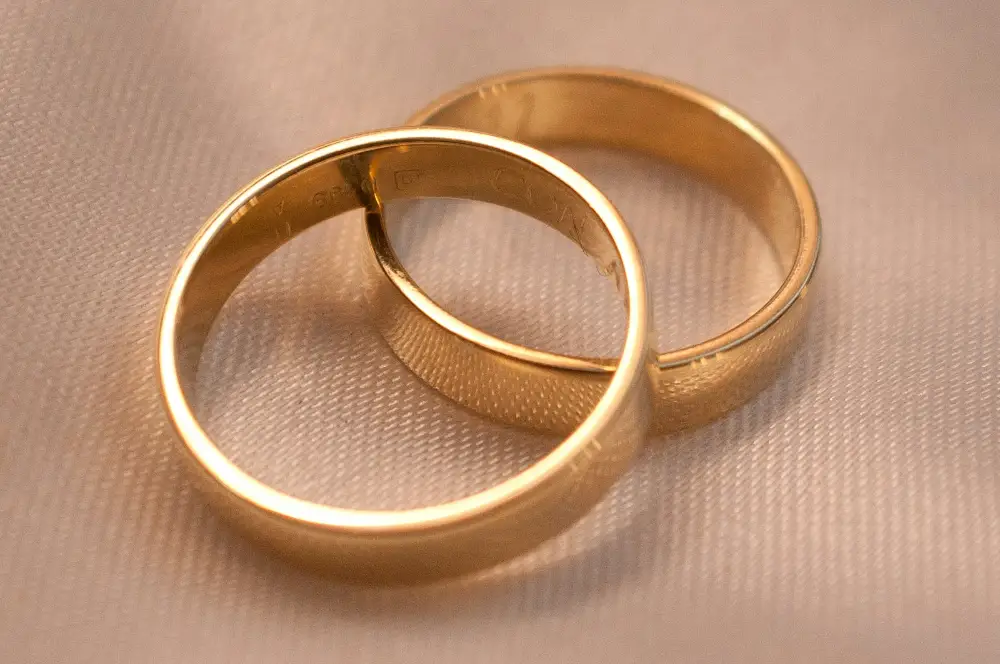
Mahr is the gift a groom gives his bride as part of the nikah. It is her property, named upfront in the contract, paid in full or in part, and it belongs to her alone. This piece explains what mahr is, how much it should be, when it is paid, and what happens to it if the marriage ends.
What Mahr Is
Mahr (also written mehr) is an obligation on the husband named in the Quran: "And give the women their mahr as a free gift" (Surah an-Nisa 4:4). It is not a bride price paid to her family. It is a direct gift to her, acknowledging the gravity of the commitment and giving her something that is hers from day one.
Culturally, many Muslim communities have blurred this. In parts of South Asia, the groom's gifts and the bride's family gifts can get tangled together. Islamically, the mahr is simple: it comes from him, it goes to her.
Why It Exists
Classical scholars describe three functions of mahr:
- Honour. It marks the weight of what the husband is asking for.
- Security. She holds property of her own from the moment of marriage.
- Commitment. It makes rushing or taking the contract lightly costly.
The amount matters less than that the three functions are met. A token amount undermines them. A crushing amount can also, if it blocks the marriage entirely or buries the new household in debt.
Two Kinds of Mahr
Mahr al-musamma is a specified amount agreed between the couple and written into the nikah contract. This is the default.
Mahr al-mithl is the amount a scholar or qadi assigns if the couple did not specify, usually based on what women of comparable background in her family receive.
Within the specified mahr there are two timings:
- Muajjal (prompt): paid at the time of nikah, before or at the start of the marriage.
- Mu'ajjal (deferred): named in the contract, owed to her, payable on demand or at a trigger such as divorce or his death.
Most couples split it: a portion up front, the rest deferred. Both parts are her right.
How Much Should Mahr Be
The sunnah leans heavily toward simplicity. The Prophet (peace be upon him) said, "The best of mahr is the simplest." His own daughters' mahrs were not large by contemporary standards. He married a companion to a woman who had nothing, with the mahr being that he teach her what he knew of the Quran.
Modern practice varies widely by culture: a few hundred dollars in parts of the Gulf, several thousand in North America, several lakhs of rupees in South Asia. The Islamic principle is that both sides agree, the amount honours her, and it does not break the groom or set the marriage up for debt.
If you are planning a nikah, a short conversation with a counsellor who works with Muslim couples before marriage is a useful place to set the number together rather than through families.
When Mahr Is Due
The muajjal portion is due at the nikah. The deferred portion is a debt the husband owes until paid. If he dies, it comes out of his estate before inheritance is divided. If they divorce, the unpaid portion is still due.
If the marriage ends before consummation, the Quran addresses this directly: she is owed half of the specified mahr (Surah al-Baqarah 2:237), unless she chooses to waive it or he chooses to pay the whole.
Her Property, Her Choice
Once paid, the mahr is hers. Not her father's, not the joint household's, not his to call back if the marriage sours. She can save it, invest it, spend it, gift it, or return it to him as a gesture of her own free will. The Quran notes: "But if they give up willingly to you any part of it, then take it and enjoy it with pleasure and ease" (Surah an-Nisa 4:4).
A husband who pressures his wife to hand mahr back is overstepping. If he threatens or guilts her into it, the handover is not free. In some Muslim legal traditions, this is actionable.
Common Modern Questions
A few scenarios that come up in Muslim households today.
Can mahr be non-monetary? Yes. Gold, property, a service, teaching her a portion of the Quran, a Hajj paid for by him. Anything with value, agreed between them.
Can she ask to change the amount after the nikah? Not unilaterally. A couple can mutually renegotiate the deferred portion, but it should not be reduced under pressure.
What if she is a second wife? She is entitled to her own full mahr, independent of what the first wife received.
What if her family demands part of the mahr? They have no Islamic right to it. She may give some as a gift if she chooses.
What if we cannot agree on the amount? Involve an imam, a family elder you both trust, or a counsellor. A stuck mahr conversation often signals a bigger conversation worth having before the marriage. The companion piece on what a healthy Muslim marriage looks like can be a starting point.
If the Marriage Ends
The moment of talaq or khula brings mahr to the front. If any portion is unpaid, it is due to her in full, unless the divorce is a khula and she has agreed to return part of what was paid as consideration. See the companion articles on how talaq works in Islam for the full process.
Frequently Asked Questions
Is there a minimum amount for mahr?
The majority opinion is no minimum; a dirham, a ring, even teaching the Quran has been accepted. The Hanafi school sets a small minimum. The functional minimum is anything that both honours her and is agreed.
Can it be symbolic, like a single gold coin?
Yes, if both parties agree. Many couples do this today, with a modest symbolic muajjal and a larger deferred portion.
Does mahr belong to her family under Islamic law?
No. Under Islamic law it is hers alone.
What if we never wrote a specific amount?
Mahr al-mithl applies; a qadi or scholar can assign the equivalent of what women in her comparable circle receive.
Can she return it later as a gift?
Yes, freely. Only if freely given.
Mahr is one of those parts of Islamic marriage that gets heavier the less it is talked about. Agree on the amount early, write it clearly, pay what is due, and let her hold what is hers. If the conversation around it has stalled, a therapist at Shifa can help you work through it before the nikah or after.
This article is for educational purposes only and is not a substitute for scholarly or legal advice.
Therapists who specialize in this
We couldn't load therapists right now.
Looking for Support?
Connect with a licensed therapist specialized in these areas.


Ready to Start Your Therapy Journey?
Connect with a licensed therapist who understands your needs — fully online and confidential.